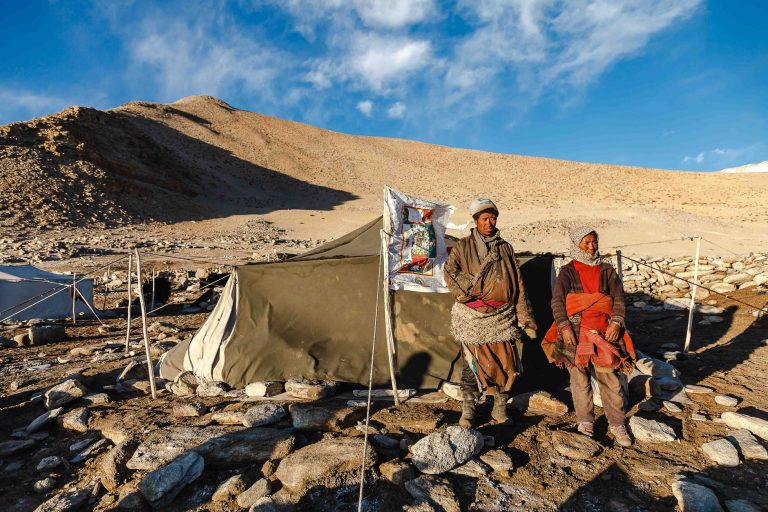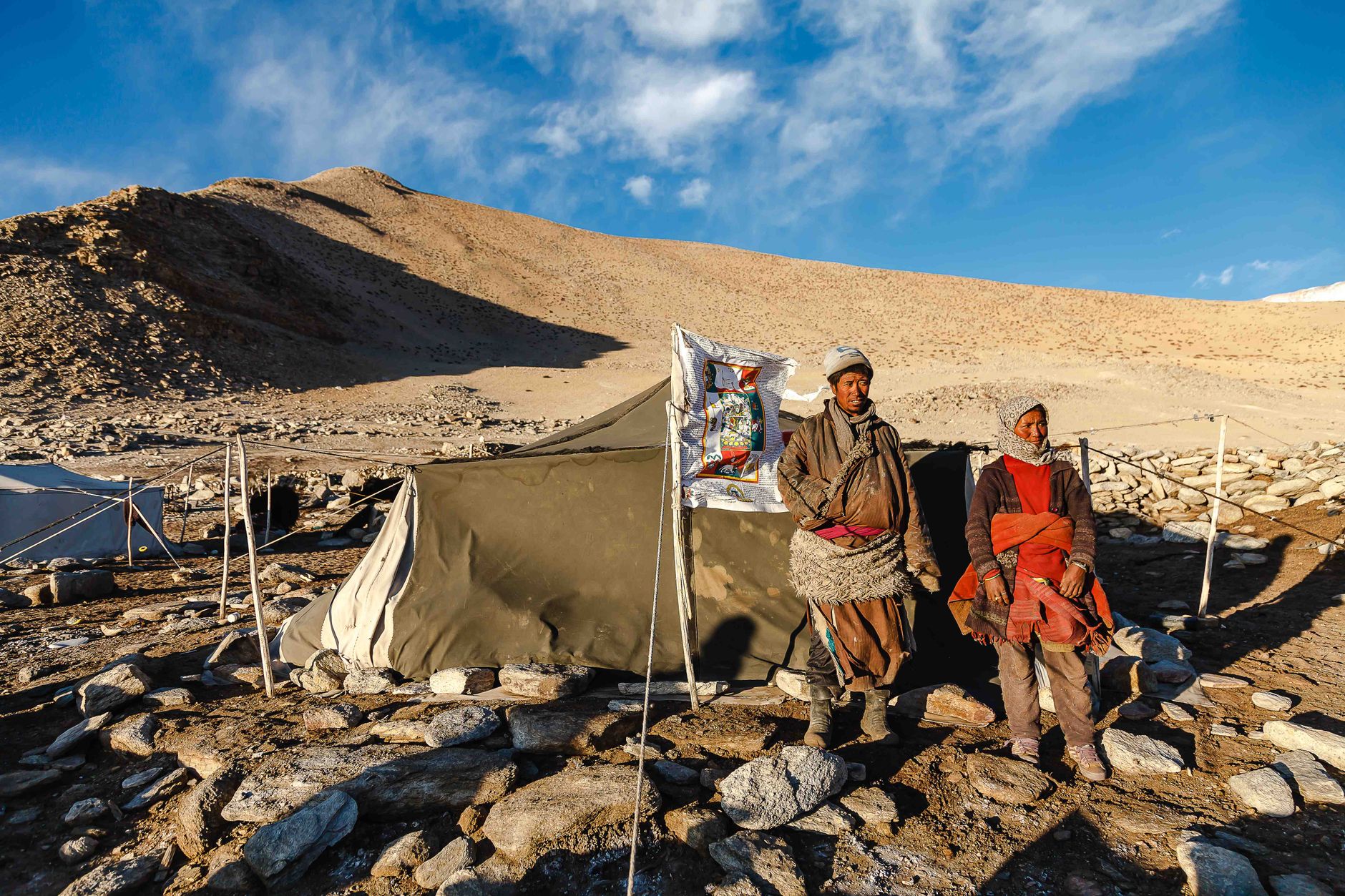
sustainable tourism in Ladakh is gaining momentum as the region looks beyond monasteries to promote its rich culture and adventure activities.
Exploring Ladakh’s Unique Culture
Ladakh, a region renowned for its breathtaking landscapes and rich heritage, is now embracing sustainable tourism as a means to promote its unique culture. This shift aims to showcase the diverse traditions and lifestyles of its people while minimizing the environmental impact of tourism.
Visitors to Ladakh can immerse themselves in a variety of cultural experiences, such as:
- Local Festivals: Join in the celebrations of traditional festivals like Hemis, where vibrant dances and rituals bring the local culture to life.
- Culinary Tours: Savor the flavors of Ladakhi cuisine by participating in cooking classes and tasting sessions with local families.
- Art and Craft Workshops: Engage with local artisans to learn about traditional crafts, such as thangka painting and carpet weaving.
- Community Homestays: Experience authentic Ladakhi hospitality by staying with local families, which also contributes to the community’s economy.
By focusing on these sustainable tourism initiatives, Ladakh aims to protect its rich cultural heritage while offering travelers a deeper understanding of the region. This approach not only enriches the visitor experience but also ensures the preservation of Ladakh’s unique identity for future generations.
Adventure Activities in Ladakh
Adventure activities in Ladakh offer tourists a unique opportunity to immerse themselves in the breathtaking landscapes while promoting sustainable tourism in Ladakh. The region is renowned for its diverse terrain, making it an ideal destination for thrill-seekers and nature enthusiasts alike.
- Trekking: With trails that range from easy walks to challenging hikes, trekking in Ladakh allows visitors to explore remote villages and ancient monasteries, all while experiencing the rich local culture.
- Mountain Biking: Cycling through the rugged mountains provides an exhilarating way to appreciate the stunning vistas and encourages eco-friendly travel practices.
- River Rafting: The Zanskar and Indus rivers offer thrilling rafting experiences that not only attract adrenaline junkies but also emphasize the importance of preserving these natural waterways.
- Camping: Spending nights under the stars in eco-friendly campsites fosters a deeper connection with nature and promotes responsible tourism.
- Wildlife Watching: Ladakh is home to unique wildlife, and guided tours allow tourists to observe these creatures in their natural habitat, raising awareness about conservation efforts.
By engaging in these adventure activities, tourists can contribute to the local economy while embracing the principles of sustainable tourism in Ladakh.
Sustainable Tourism Initiatives
Ladakh is actively pursuing sustainable tourism initiatives that aim to preserve its rich cultural heritage while promoting responsible travel. Local authorities and organizations are collaborating to create a balanced approach that benefits both visitors and the local community.
- Community-Based Tourism: This initiative encourages visitors to engage directly with local families, allowing them to experience traditional lifestyles and practices. Travelers can participate in homestays, cooking classes, and handicraft workshops, which also provide economic support to local artisans.
- Eco-Friendly Accommodations: Numerous lodges and guesthouses are adopting green practices, such as using solar energy, minimizing water usage, and sourcing food from local farms. These eco-conscious options not only reduce the carbon footprint but also enhance the overall experience.
- Responsible Trekking: Trekking routes are being developed in a manner that respects natural ecosystems. Guides are trained to educate hikers about environmental preservation and cultural sensitivity, ensuring that the impact on the landscape is minimal.
- Waste Management Programs: To combat littering in the pristine landscapes, local governments are implementing waste segregation and disposal systems. Awareness campaigns are educating tourists on the importance of leaving no trace.
Monasteries: A Cultural Perspective
The rich tapestry of Ladakh’s culture is deeply interwoven with its monasteries, which serve as not only spiritual havens but also as custodians of ancient traditions. These sacred sites offer a window into the region’s historical and cultural heritage, making them essential to understanding the local identity.
Visitors to Ladakh can explore various monasteries, each with its unique architectural style and religious significance. Among the most renowned are:
- Hemis Monastery: Famous for its annual festival, this monastery showcases the vibrant Buddhist culture through dance and ritual.
- Thiksey Monastery: Known for its stunning views and impressive statue of Maitreya Buddha, it provides insight into monastic life.
- Diskit Monastery: This is the oldest and largest monastery in the Nubra Valley, offering a glimpse into the region’s history.
By incorporating sustainable tourism practices, Ladakh aims to preserve these cultural treasures while inviting travelers to engage authentically with the local community. This approach not only enriches the visitor experience but also ensures that sustainable tourism in Ladakh flourishes, benefiting both the environment and the people. Through responsible exploration, tourists can contribute to the preservation of Ladakh’s unique cultural landscape.
Sustainable tourism in Ladakh not only helps preserve the region’s unique culture but also supports local communities. By embracing sustainable tourism in Ladakh, travelers can engage in authentic experiences that promote environmental conservation and cultural appreciation.
Photo by Tashi Namgyal on Pexels
Sources
- Delhi-Guangzhou direct flight: Best news after 6 years!
- Flight scare New York: Worst travel experience for celebs
- Private Terminal in Europe: The Best Luxury Experience
About the Author