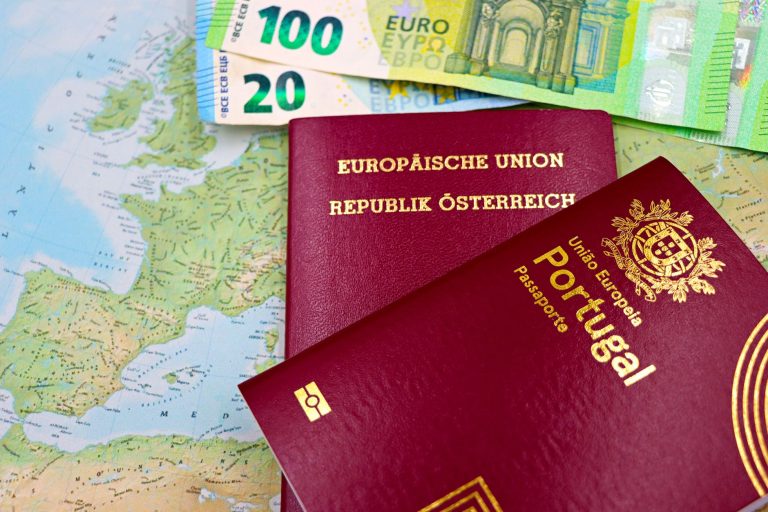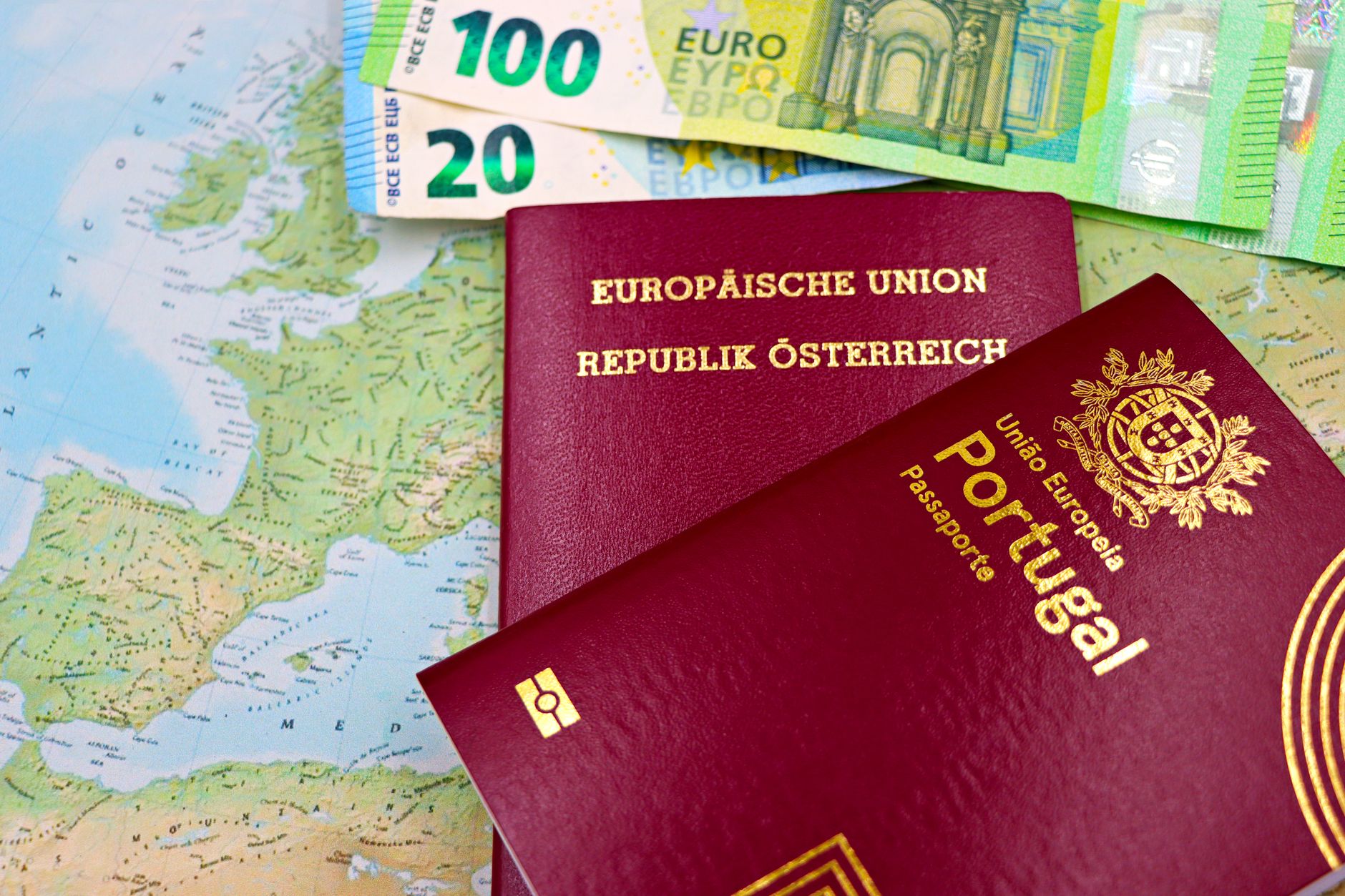
Austria immigration rules have recently changed, making it easier for foreign workers to apply. With faster processing and greater flexibility, this is an excellent opportunity for those looking to work in Austria.
Overview of Austria’s New Immigration Rules
Austria has recently updated its immigration rules, aiming to attract a broader range of foreign workers. These changes are significant as they promise faster processing times and increased flexibility for applicants.
The revised regulations include:
- Streamlined application process: Applicants can expect quicker decisions on their visa applications.
- Expanded eligibility criteria: More professions are now included, making it easier for skilled workers to qualify.
- Increased support: The Austrian government is offering enhanced resources for newcomers to help them integrate into the workforce.
These adjustments reflect Austria’s commitment to improving its immigration framework, making it a more attractive destination for international professionals. As the country enhances its immigration rules, the focus remains on fostering a diverse and skilled labor market.
Benefits for Foreign Workers
Austria’s immigration rules have been redesigned to offer numerous benefits for foreign workers seeking opportunities in the country. The recent changes aim to streamline the application process, providing quicker approvals and enhanced flexibility for job seekers.
Some of the key benefits include:
- Faster Processing: Applications are now processed more rapidly, allowing workers to start their new jobs sooner.
- Greater Flexibility: The updated rules accommodate various occupations, making it easier for diverse skill sets to be recognized.
- Support for Families: Workers can bring their family members to Austria, fostering a supportive environment for expatriates.
- Integration Programs: New initiatives aim to help foreign workers acclimate to life in Austria, including language courses and cultural orientation.
Overall, these changes reflect Austria’s commitment to attracting a skilled workforce through improved immigration rules.
How to Check Your Eligibility
Determining your eligibility under the Austria immigration rules is a crucial step for potential foreign workers. Here are some key methods to assess your eligibility:
- Research the Requirements: Visit official government websites that outline the specific criteria for various visa types.
- Assessment Tools: Utilize online eligibility checkers provided by immigration services to evaluate your qualifications based on skills, education, and experience.
- Consult Professionals: Engaging with immigration consultants can provide personalized insights and guidance tailored to your situation.
- Stay Updated: Regularly check for updates to the immigration rules, as policies may change, affecting your eligibility status.
By taking these steps, you can better understand your chances of successfully navigating the immigration process in Austria.
Processing Times for Visa Applications
The processing times for visa applications under the new Austria immigration rules have been significantly reduced, making it easier for foreign workers to relocate. With the updated guidelines, the government aims to streamline the application process and enhance efficiency.
Key features of the new processing times include:
- Faster approvals: Many applications can now be processed within weeks instead of months.
- Online submissions: Applicants can submit their documents electronically, reducing paperwork and time.
- Priority for in-demand skills: Applications from workers with skills in high-demand sectors receive expedited processing.
These changes reflect Austria’s commitment to attracting talent and ensuring that foreign workers can smoothly transition to their new roles, ultimately contributing to the economy.
Flexibility in Job Opportunities
The recent changes to Austria immigration rules have introduced significant flexibility in job opportunities for foreign workers. This adaptability allows skilled professionals to explore a broader range of employment options tailored to their expertise.
One of the most notable aspects is the easing of restrictions on job searches, enabling candidates to apply for various positions without being tied to a specific employer. This shift is particularly beneficial for those in high-demand sectors, such as technology and engineering, where talent shortages exist.
Furthermore, Austria’s commitment to fast-tracking visa applications means that workers can transition more swiftly into the job market. As a result, foreign nationals are finding it easier to integrate into the Austrian workforce, contributing to a dynamic economy that values diverse skills and perspectives.
Ultimately, these reforms position Austria as an attractive destination for global talent.
Common Questions About Immigration
As Austria continues to adjust its immigration policies, many potential applicants have common questions regarding the new rules. Understanding the Austria immigration rules is essential for anyone considering a move to the country.
- What types of visas are available? Austria offers various visa options tailored to different professions and skills.
- How long does the application process take? Recent changes have expedited processing times, but it varies depending on the visa type.
- Are there specific qualifications required? Applicants must meet certain educational and professional criteria, which can vary based on the job.
- Can families join workers? Yes, family reunification policies are in place to allow family members to join foreign workers.
These questions highlight the importance of staying informed about the evolving immigration landscape in Austria.
Steps to Apply for a Visa
Applying for a visa under the Austria immigration rules involves several key steps to ensure a smooth process. First, applicants should gather all necessary documentation, including proof of employment, educational qualifications, and language proficiency. Next, it is crucial to complete the visa application form accurately, providing detailed information about the intended stay and purpose of the visit.
After submitting the application, it is advisable to pay the required visa fee and track the application status. Once the visa is approved, applicants must prepare for their arrival in Austria by arranging accommodation and understanding local regulations. Finally, upon arrival, you should register with local authorities to finalize your immigration process.
Following these steps can help streamline your transition to working and living in Austria.
Impact on the Job Market in Austria
The recent changes in Austria immigration rules have significant implications for the job market. Employers are now finding it easier to access a broader range of talent from abroad, which can help fill skill gaps in various sectors. This flexibility allows businesses to adapt to changing market demands and enhances competitiveness.
Moreover, with faster processing times for visa applications, foreign workers can start contributing to the economy more quickly, benefiting both the employees and employers. As the workforce diversifies, companies are likely to innovate and grow, creating more job opportunities for everyone.
However, it is essential to monitor how these immigration changes will affect local job seekers and whether existing workers will face increased competition. Balancing the influx of foreign talent with the needs of domestic workers will be critical for the sustained health of Austria’s job market.
Many experts argue that Austria immigration rules prioritize skilled workers, making it easier for them to settle and contribute to the economy. However, some critics believe that these Austria immigration rules may overlook the needs of unskilled laborers seeking opportunities in the country.
Photo by Marta Branco on Pexels
References
You might also like
- Umrah journeys via road: The Best and Easiest Travel Option
- Mumbai airport upgrade plan: Worst case for flyers
- Mumbai Airport slot rules: Clear guidelines for airlines
About the Author