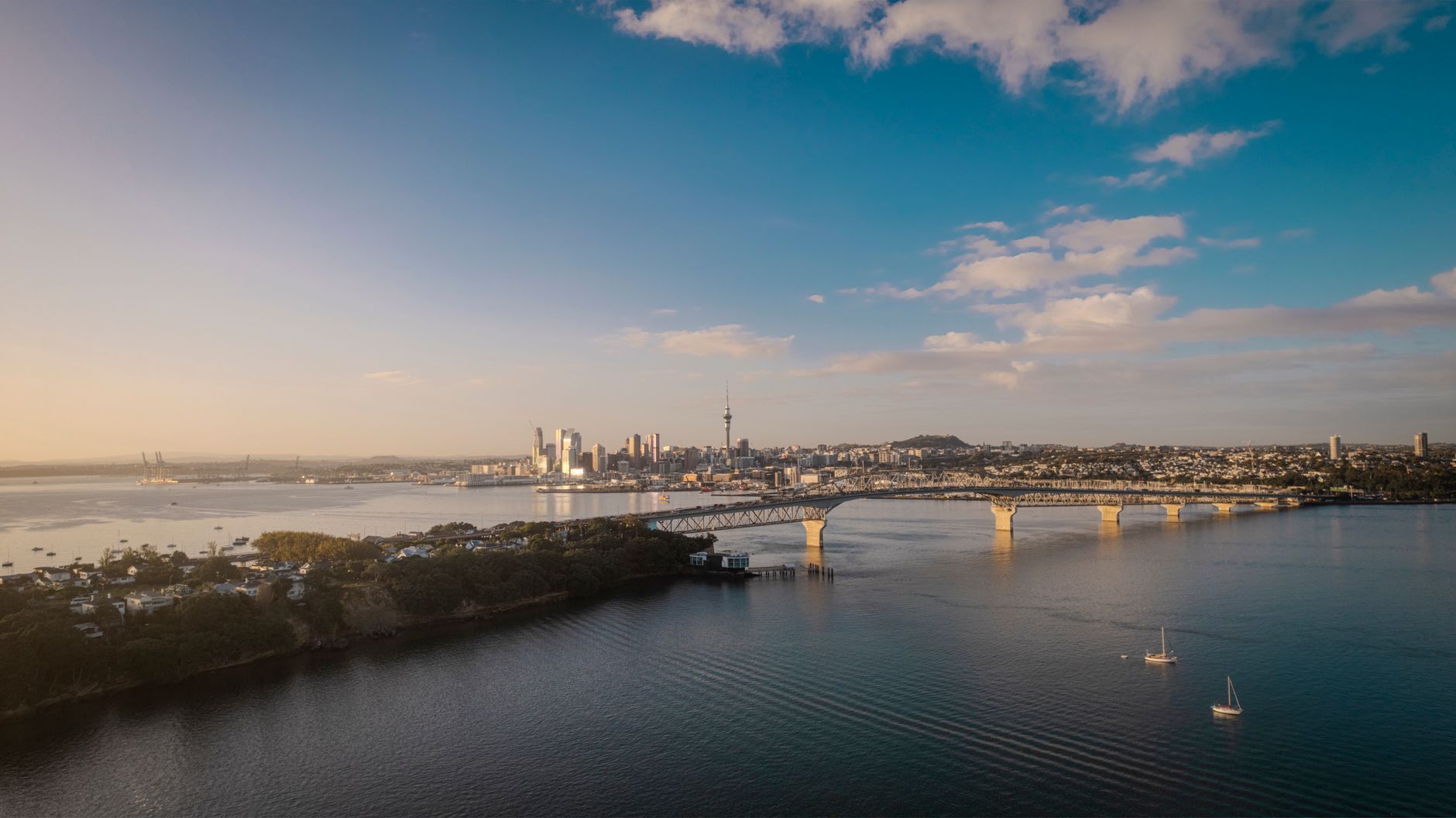
New Zealand immigration changes will significantly affect 17 occupations in 2027. This announcement has raised concerns among workers and employers alike regarding the future job market and visa policies.
Overview of New Zealand Immigration Changes
In 2027, New Zealand will implement significant immigration changes that are anticipated to impact various sectors within the economy. These adjustments are particularly aimed at addressing labor shortages while ensuring the country’s workforce is equipped with the necessary skills.
Among the most affected areas are 17 specific occupations that will experience heightened scrutiny under the new immigration policies. The government aims to balance the needs of local job seekers with the demand for skilled foreign workers.
As the nation prepares for these changes, many industries are expressing concern regarding the potential challenges in filling crucial roles. Stakeholders are urged to stay informed about the evolving immigration landscape, which is poised to shape the future of employment in New Zealand.
Overall, the New Zealand immigration changes reflect a strategic approach to enhancing the labor market while safeguarding local employment opportunities.
Impacts on Affected Occupations
The recent New Zealand immigration changes have raised concerns among various sectors, particularly those relying on skilled labor. The announcement affects 17 specific occupations, each facing challenges due to new restrictions and requirements.
Among the most impacted jobs are:
- Construction workers – facing a potential labor shortage due to stricter visa regulations.
- Healthcare professionals – experiencing barriers that may limit their ability to migrate.
- IT specialists – struggling with increased competition for a dwindling number of spots.
- Hospitality staff – likely to see a decline in available talent, affecting service quality.
- Engineers – facing challenges in meeting new qualification criteria.
These changes could significantly disrupt the workforce in these critical areas, highlighting the urgent need for policy reassessment.
Details of the 17 Occupations
As New Zealand immigration changes come into effect, a total of 17 occupations are reported to be significantly impacted. These roles span various sectors, highlighting the breadth of the changes. The affected jobs include:
- Healthcare Assistants
- Construction Workers
- Hospitality Staff
- Agricultural Workers
- IT Professionals
- Teachers
- Engineers
- Caregivers
- Electricians
- Chefs
- Environmental Scientists
- Accountants
- Social Workers
- Sales Representatives
- Graphic Designers
- Plumbers
- Marketing Managers
The implications of these changes are expected to ripple through the economy, affecting both employers and job seekers.
Reactions from Employers and Workers
Employers and workers have expressed significant concern over the recent New Zealand immigration changes, particularly regarding the impact on their industries. Many employers fear a labor shortage, as the adjustments may restrict the influx of skilled workers essential for their operations.
One employer stated, “The removal of accessible immigration pathways for these roles could cripple our ability to meet demand.” Workers, on the other hand, worry about job security and the potential for increased competition in a limited market.
Several industry representatives have called for urgent discussions with the government to address these challenges. They emphasize the need for a balanced approach that ensures economic growth while also safeguarding the interests of local workers.
As reactions continue to unfold, the long-term effects of these immigration changes remain to be seen.
Future of New Zealand’s Job Market
The future of New Zealand’s job market is poised for significant transformation following the recent immigration changes. As the government implements new policies, the landscape for various occupations may shift dramatically, particularly for the 17 jobs identified as most affected.
Experts predict that the New Zealand immigration changes could lead to labor shortages in key sectors, impacting economic growth and productivity. Many employers express concern over the potential difficulty in filling critical roles, which could ultimately hinder business operations.
Moreover, the adjustments to immigration policies may encourage a reevaluation of workforce strategies, prompting businesses to invest more in training and development for existing employees. As the job market adapts to these changes, it will be essential for both employers and workers to remain agile and responsive to new challenges and opportunities.
What to Expect in 2027
As New Zealand undergoes significant immigration changes, experts predict that by 2027, the landscape of the job market will be markedly different. The government’s reforms aim to address skill shortages while balancing the needs of local workers. However, the New Zealand immigration changes are expected to have a lasting impact on the 17 affected jobs.
Workers in these fields may face increased competition and potentially lower wages as the labor market adjusts. The future could see a shift towards more stringent requirements for foreign workers, emphasizing skills that align with the nation’s economic goals. Employers may need to adapt their hiring practices, focusing on local talent development.
In the coming years, it will be essential for both job seekers and employers to stay informed about these changes to navigate the evolving employment landscape effectively.
The recent New Zealand immigration changes have raised concerns among various industries, particularly those relying on foreign labor. As the economy adapts, the worst impact on 17 jobs could lead to significant labor shortages in critical sectors.
Photo by Ollie Craig on Pexels
Read the original
Related stories
- Fortnum & Mason Heathrow: Is It the Best Taste of London?
- Visa Rules India: Easy Changes for Foreign Nationals
- Chennai Airport Punctuality: A Clear Capacity Challenge Ahead
About the Author