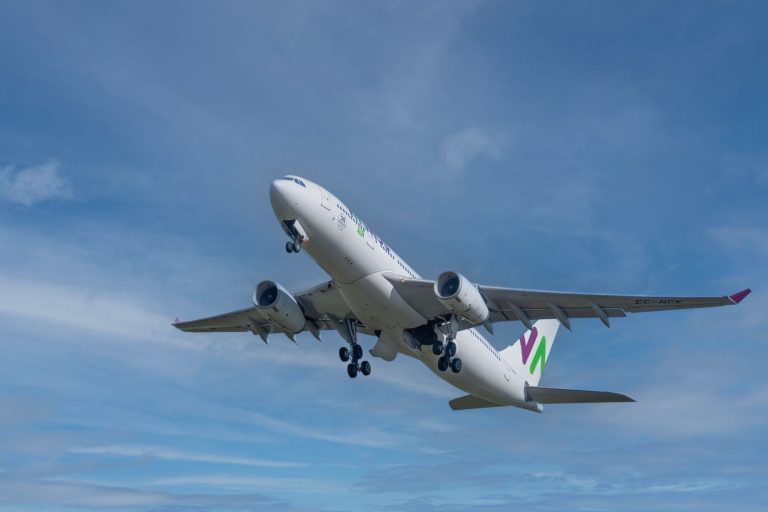
Nepal air routes are at the center of critical discussions in 2026, focusing on improving airport access for travelers. This pivotal moment could reshape the future of air travel in the region.
Overview of Nepal air routes
The aviation sector in Nepal has seen significant growth over the past few years, making it essential to understand the current landscape of Nepal air routes. These routes not only connect major cities but also provide access to remote regions, enhancing tourism and trade opportunities.
Several key factors influence the efficiency and development of Nepal air routes:
- Geographical Challenges: The mountainous terrain presents unique challenges for flight operations and route planning.
- Regulatory Environment: Ongoing discussions and agreements are crucial for the expansion of air services.
- Infrastructure Development: Upgrades to airports and air traffic management systems are necessary for better connectivity.
- Safety Standards: Ensuring compliance with international safety regulations is vital for attracting more airlines.
As stakeholders prepare for critical talks in 2026, the focus remains on enhancing access and improving the overall air travel experience in Nepal.
Importance of 2026 talks
The upcoming talks in 2026 regarding Nepal air routes are deemed crucial for enhancing airport access across the country. These discussions aim to address several key issues that have been hindering the growth of air travel in Nepal.
Among the primary goals of the 2026 talks are:
- Improving infrastructure: Upgrading existing airports and developing new ones to accommodate increasing passenger traffic.
- Enhancing regional connectivity: Establishing direct flight routes to promote tourism and business opportunities.
- Ensuring safety and efficiency: Implementing international standards to ensure safe air travel for passengers.
Successful outcomes from these negotiations could lead to a significant transformation in the aviation sector, providing Nepal with better air routes and boosting its economy. The significance of these talks cannot be overstated, as they hold the potential to redefine air travel in the nation.
Current state of airport access
The current state of airport access in Nepal is a topic of significant concern, particularly as the nation prepares for critical discussions regarding its air routes in 2026. With the tourism industry heavily reliant on efficient and safe air travel, the government is under pressure to enhance connectivity.
Key challenges facing Nepal’s airport access include:
- Geographical limitations: The rugged terrain complicates the establishment of new air routes.
- Infrastructure issues: Many existing airports require upgrades to accommodate larger aircraft.
- Regulatory hurdles: Streamlining regulations can help facilitate smoother operations.
Addressing these challenges is crucial for the future of Nepal air routes, aiming to boost both domestic and international travel, thereby supporting economic growth and tourism in the region.
Potential impacts on tourism
The ongoing discussions surrounding Nepal air routes are poised to significantly impact the country’s tourism sector. Enhanced air connectivity can lead to increased international visitor numbers, benefiting both local businesses and the economy.
Tourism stakeholders emphasize the importance of reliable and efficient airport access, as it serves as the first impression for travelers. Improved air routes would not only facilitate easier access to popular destinations like Kathmandu and Pokhara but also promote lesser-known gems across the country.
Moreover, the potential for new airlines and flight options could foster healthy competition, ultimately leading to lower fares and better services. This change could attract a wider range of tourists, from adventurers seeking trekking experiences in the Himalayas to those interested in cultural heritage.
In summary, optimizing Nepal air routes may create a ripple effect, positively influencing tourism growth and sustainability in the region.
Stakeholders involved in discussions
The discussions surrounding Nepal air routes have attracted a diverse group of stakeholders, each contributing unique perspectives and expertise. Key participants include:
- Government Officials: Representatives from the Ministry of Culture, Tourism, and Civil Aviation play a crucial role in shaping policies.
- Aviation Experts: Specialists in air travel and logistics provide insights into the technical aspects of route management.
- Tourism Operators: Local and international operators advocate for increased accessibility to boost tourism in Nepal.
- Environmental Advocates: These participants emphasize the need for sustainable practices in expanding air routes.
- Community Leaders: Representing local interests, they highlight the potential socioeconomic impacts of improved airport access.
Through collaboration, these stakeholders aim to address challenges and enhance the overall efficiency of Nepal air routes, setting the stage for future growth.
Future of Nepal’s aviation industry
The future of Nepal’s aviation industry hinges on the successful implementation of strategic improvements in its air routes. With increasing global interest in Nepal as a travel destination, enhancing airport access is crucial for sustaining growth.
Several key factors will shape this future:
- Investment in Infrastructure: Expanding and modernizing airport facilities will accommodate larger aircraft and increased passenger traffic.
- Regulatory Reforms: Streamlining air traffic regulations will enhance operational efficiency and safety.
- International Partnerships: Collaborations with foreign carriers can boost connectivity and open new markets.
- Focus on Sustainability: Integrating eco-friendly practices in airport operations will align with global standards and attract environmentally conscious travelers.
As these strategies are put into action, the evolution of Nepal air routes will play a vital role in shaping the country’s aviation landscape and its economic future.
Comparative analysis with neighboring countries
A comparative analysis of Nepal air routes reveals significant differences in airport access compared to neighboring countries. While countries like India and China have developed extensive aviation networks, Nepal faces unique challenges due to its mountainous terrain and limited infrastructure.
Key points of comparison include:
- Infrastructure investment: India has heavily invested in modernizing airports, whereas Nepal’s facilities often require upgrades to meet international standards.
- Route efficiency: Neighboring countries benefit from numerous direct routes, while Nepal relies on fewer, less efficient air routes.
- Regulatory frameworks: Stricter regulations in Nepal can hinder the expansion of air routes, impacting connectivity.
Ultimately, addressing these disparities is vital for boosting tourism and enhancing Nepal’s position in regional aviation.
Travel tips for navigating Nepal’s airports
Traveling through Nepal’s airports can be an adventure in itself, given the unique challenges and opportunities presented by the country’s air routes. To ensure a smooth journey, consider the following tips:
- Plan Ahead: Book flights in advance, especially during peak tourist seasons, to secure the best rates and availability.
- Stay Informed: Keep up to date with any changes in flight schedules or airport operations, particularly due to weather conditions.
- Check Transport Options: Research transportation methods to and from the airports, as options may vary significantly.
- Consider Domestic Flights: For reaching remote areas, domestic flights can save time and provide breathtaking views of the Himalayas.
- Be Patient: Expect delays and long queues, as the current state of airport access in Nepal can be unpredictable.
By following these tips, travelers can navigate Nepal’s airports more effectively, ensuring a more enjoyable experience.
Where this came from
Poland airport reopening: Safe travel after missile threats · Claustrophobic Tesco Express: The Worst Travel Experience · Delhi Kuala Lumpur flights: Quick and Proven Travel Option
About the Author