Air India route strategy is crucial for enhancing regional connectivity and improving travel options. This article delves into the airline’s plans and their implications.
Overview of Air India’s Route Strategy
Air India’s route strategy is a critical component of its efforts to enhance connectivity and expand its market presence. The airline aims to optimize its network by focusing on both international and domestic routes, ensuring that it meets the evolving demands of travelers.
Key elements of Air India’s route strategy include:
- Regional Connectivity: Emphasizing connections to underserved regions, Air India seeks to improve access for passengers across the country.
- International Expansion: The airline is also looking to increase its footprint in key global markets, particularly in North America and Europe.
- Fleet Modernization: By updating its fleet with more fuel-efficient aircraft, Air India aims to enhance operational efficiency and reduce costs.
- Partnerships and Alliances: Collaborating with other carriers allows Air India to offer more options and seamless travel experiences for its customers.
Through this comprehensive approach, Air India’s route strategy is designed to bolster its competitive edge and cater to the needs of modern travelers.
Importance of Regional Connectivity
As Air India refines its route strategy, the importance of regional connectivity becomes increasingly evident. Enhancing connections between smaller cities and major urban centers not only fosters economic growth but also improves accessibility for travelers.
Regional connectivity is crucial for several reasons:
- Economic Development: Improved air links encourage tourism and business travel, driving local economies.
- Accessibility: Enhanced routes make it easier for residents in remote areas to access essential services and opportunities.
- Job Creation: Increased air traffic can lead to job opportunities in various sectors, including hospitality and transportation.
- Environmental Sustainability: Connecting regions with direct flights can reduce the need for longer road or rail journeys, lowering carbon emissions.
Air India’s route strategy emphasizes these aspects, aiming to create a robust network that supports both regional development and passenger convenience. By prioritizing regional connectivity, Air India is positioning itself as a key player in the evolving aviation landscape.
Recent Developments in Air India
Air India has recently announced significant updates to its route strategy, aiming to enhance its global footprint and regional connectivity. These developments come as the airline seeks to reclaim its position as a leading player in the aviation sector. With a focus on expanding both domestic and international routes, Air India is set to introduce new flights that cater to underserved markets.
One of the key aspects of the recent strategy involves:
- Increased Frequency: The airline plans to increase the frequency of flights on popular routes, making it more convenient for travelers.
- New Destinations: Air India is exploring new destinations, particularly in regions with high demand for air travel.
- Partnerships: Collaborations with other airlines are being strengthened to enhance connectivity and offer more options to passengers.
- Fleet Expansion: The airline is investing in modern aircraft to improve service quality and operational efficiency.
These recent developments underscore Air India’s commitment to a robust route strategy that prioritizes customer needs and market trends.
Challenges Faced by Indian Airlines
Indian airlines, including Air India, face several challenges in implementing their route strategy effectively. These challenges can significantly impact their operational efficiency and long-term sustainability.
- Regulatory Hurdles: Navigating the complex aviation regulations set by the Directorate General of Civil Aviation (DGCA) can be a daunting task, making it difficult to optimize routes.
- Infrastructure Limitations: Many airports in India are congested and lack the facilities needed to support increased flight operations, leading to delays and cancellations.
- Competition: The rise of low-cost carriers has intensified competition, forcing traditional airlines like Air India to constantly refine their route strategy to maintain market share.
- Fuel Prices: Volatile fuel prices can drastically affect operational costs, making it challenging to sustain profitable routes.
- Market Demand: Accurately forecasting passenger demand is crucial; misjudgments can lead to overcapacity or underutilized routes.
These challenges highlight the complexity of Air India’s route strategy in a rapidly evolving aviation landscape.
Future Prospects for Air Travel in India
The future of air travel in India looks promising, thanks in part to Air India’s route strategy. With a renewed focus on expanding both domestic and international routes, the airline aims to enhance connectivity across various regions. This approach is vital for catering to the growing demand for air travel in the country.
Several factors contribute to the optimistic outlook for Air India and the aviation sector as a whole:
- Increased Passenger Demand: The resurgence of travel post-pandemic has led to a surge in passenger numbers, making a robust route strategy essential.
- Government Support: The Indian government’s initiatives to bolster the aviation sector, including regulatory reforms, provide a favorable environment for growth.
- Technological Advances: Innovations in aircraft technology and air traffic management enhance operational efficiency, enabling airlines to optimize routes.
- Strategic Partnerships: Collaborations with international airlines can expand Air India’s global reach and improve service offerings.
As these factors align, the future of air travel in India, guided by Air India’s route strategy, looks bright.
How Air India Plans to Enhance Travel
Air India is set to enhance travel by implementing a comprehensive route strategy that prioritizes connectivity and customer experience. The airline aims to achieve this through several key initiatives:
- Expansion of Domestic Routes: Air India plans to increase its presence in underserved cities, making air travel more accessible for regional populations.
- International Partnerships: Collaborations with global airlines will broaden the network, providing passengers with more options for international travel.
- Fleet Modernization: Upgrading to fuel-efficient aircraft will not only improve operational efficiency but also enhance passenger comfort.
- Digital Innovations: Investing in technology will streamline the booking process, making it easier for travelers to plan their journeys.
- Sustainable Practices: Air India is committed to adopting eco-friendly practices, aligning with global trends in sustainable aviation.
Through this robust route strategy, Air India aims to position itself as a leader in the Indian aviation sector, catering to the evolving needs of travelers.
The Air India route strategy focuses on expanding its international presence while enhancing domestic connectivity. By leveraging the Air India route strategy, the airline aims to optimize its fleet utilization and improve passenger experience.
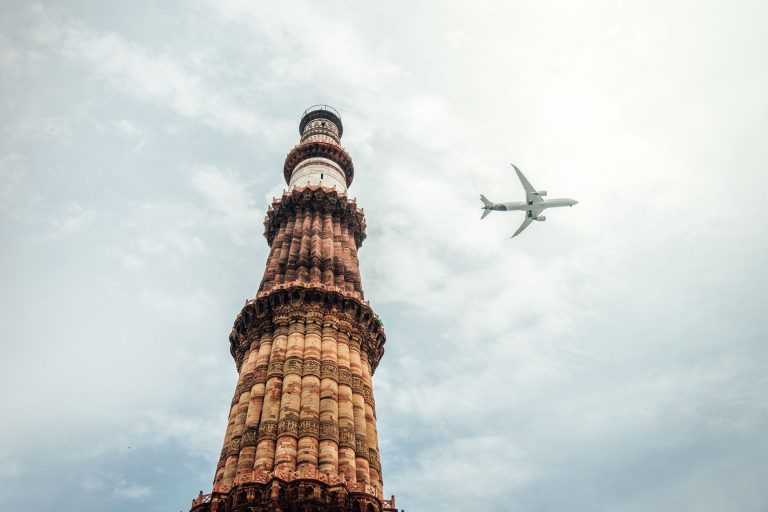
Photo by Shantum Singh on Pexels
Read the original
Krishna Bhir Choke Point Reopening: Complete Guide · Visa Limits Australia: Worst Changes for Foreign Students · New Zealand visa applications: Easy proven steps to apply
About the Author