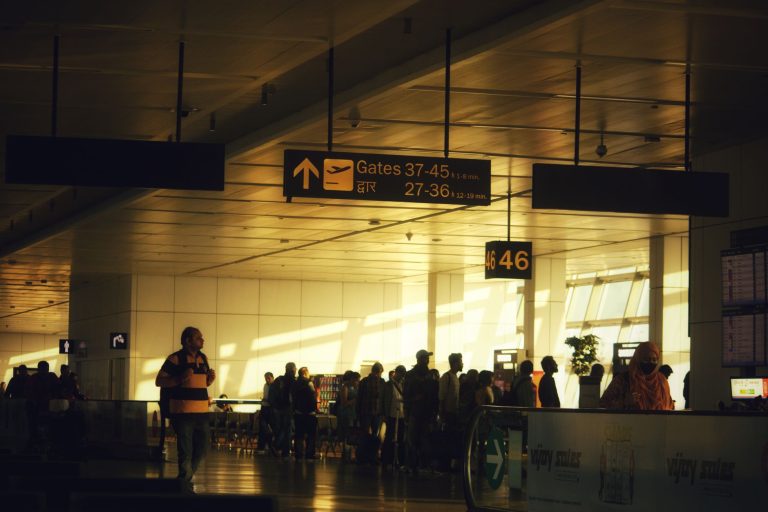
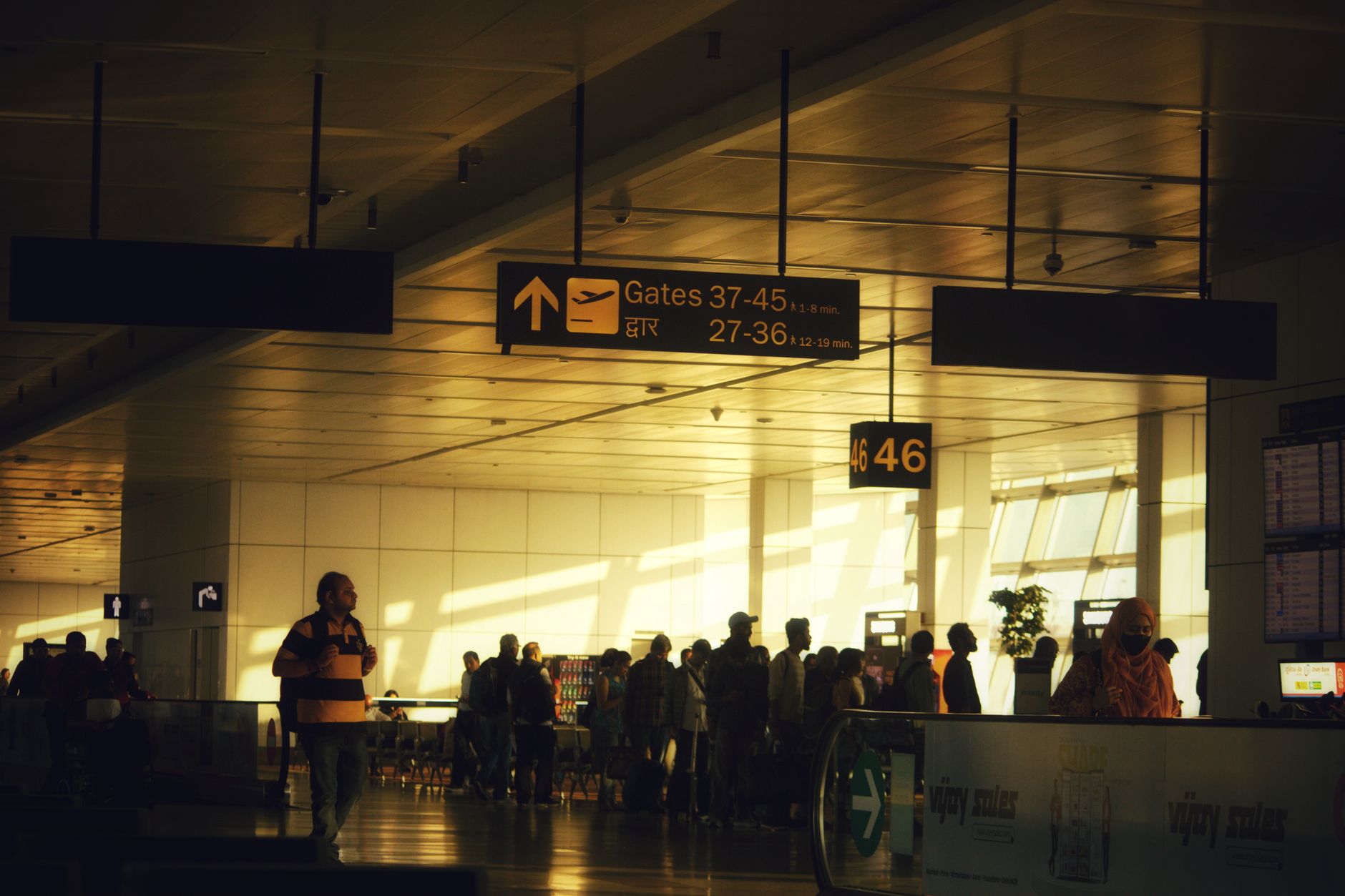
The Delhi airport security incident highlights the importance of vigilance. CISF foiled a forceful entry attempt at Terminal 3, apprehending a man attempting to breach security.
Overview of the Incident
A recent security incident at the Delhi airport has raised concerns among travelers and authorities alike. The Central Industrial Security Force (CISF) successfully foiled an attempt by a man to forcefully enter Terminal 3, a major hub for both domestic and international flights. The swift actions of the CISF personnel not only prevented a potential security breach but also ensured the safety of passengers and staff within the terminal.
According to reports, the incident occurred when the individual attempted to breach security protocols during a routine screening process. Quick-thinking officers noticed the suspicious behavior and promptly intervened. The man was apprehended before he could advance further into the secured areas of the airport.
This incident highlights the critical role of airport security in maintaining safety and order. The CISF has reiterated its commitment to vigilance and preparedness in handling similar situations. Officials have emphasized the importance of adhering to security regulations to protect airport facilities and passengers.
As investigations continue, airport authorities are reviewing the existing security measures in place to identify any potential improvements. The Delhi airport security incident serves as a reminder of the ongoing challenges faced by security forces in the aviation sector.
- Incident Location: Delhi Airport, Terminal 3
- Response Team: Central Industrial Security Force (CISF)
- Outcome: Successful intervention and apprehension of suspect
Role of CISF in Airport Security
The recent Delhi airport security incident has highlighted the crucial role played by the Central Industrial Security Force (CISF) in maintaining safety and security at airports across India. The CISF is responsible for protecting the nation’s critical infrastructure, and its personnel are trained to handle various security challenges.
In this particular incident at Terminal 3 of the Delhi airport, the CISF swiftly responded to an attempted forceful entry. Their prompt action not only prevented a potential breach but also ensured the safety of passengers and airport staff.
As part of their responsibilities, the CISF employs a range of security measures, including:
- Thorough Screening: All passengers and luggage undergo meticulous checks to detect any prohibited items.
- Surveillance: The use of advanced surveillance technology helps monitor the airport premises effectively.
- Quick Response Teams: Specialized teams are on standby to address any security threats immediately.
The CISF’s efficiency in addressing the Delhi airport security incident serves as a reminder of the importance of vigilance in safeguarding travelers. Their dedication continues to bolster trust in airport security, ensuring that incidents like this are managed swiftly and effectively.
Details of the Arrest
In a swift response to a potential security breach, officials apprehended a man attempting to gain unauthorized access to Delhi airport’s Terminal 3. The incident, which occurred during peak hours, highlighted the vigilance of the Central Industrial Security Force (CISF) stationed at the airport.
The individual, identified as a 32-year-old local resident, was seen behaving suspiciously near a restricted area. Quick thinking by the CISF personnel led to his immediate detainment before he could proceed further into the terminal. Eyewitnesses reported that the man was attempting to push past security barriers when he was intercepted.
Upon questioning, the suspect claimed he was trying to meet a friend who was arriving on a flight. However, authorities found inconsistencies in his story, raising further suspicions about his intentions. The CISF conducted a thorough search of the individual and his belongings, ensuring no prohibited items were present.
Officials confirmed that no flights were delayed as a result of the incident, and normal operations resumed shortly after the arrest. This event serves as a reminder of the importance of stringent security measures at major transportation hubs, especially in light of the recent Delhi airport security incident that prompted heightened awareness among staff and travelers alike.
Passenger Reactions
Passengers at Delhi airport expressed a mix of relief and concern following the recent security incident. Many travelers were aware of the situation unfolding at Terminal 3, where a man attempted to forcefully enter the airport premises. The rapid response from the Central Industrial Security Force (CISF) was a point of reassurance for those present.
- Ravi Kumar, a frequent flyer, stated, “It’s reassuring to see how quickly the security personnel acted. It makes you feel safer when traveling.”
- Meera Singh, traveling with her children, voiced her worries, “Such incidents make you think twice about airport security. I’m glad nothing serious happened, but it’s still alarming.”
- Arjun Patel, who was waiting for a flight, commented, “I didn’t know about the incident until I saw the commotion. It’s good that the CISF was on high alert.”
Passengers also highlighted the importance of maintaining stringent security measures at one of India’s busiest airports. “Incidents like this can happen anywhere, but it’s crucial that security remains a top priority,” said one traveler, reflecting a sentiment shared by many. The Delhi airport security incident has sparked discussions on the need for continued vigilance in ensuring passenger safety.
Implications for Airport Safety
The recent Delhi airport security incident has raised significant concerns regarding the safety protocols in place at one of India’s busiest airports. Following the attempted forced entry at Terminal 3, experts are urging a thorough review of existing security measures to ensure the protection of passengers and staff alike.
As air travel continues to rise, the need for robust security systems becomes more critical. The Central Industrial Security Force (CISF) has been commended for their swift action, but this incident highlights potential vulnerabilities in the overall security framework. Stakeholders in the aviation sector are now advocating for enhanced training for security personnel to better handle similar situations in the future.
- Increased Surveillance: Experts suggest that more advanced surveillance technologies, such as facial recognition systems, could be implemented to deter unauthorized access.
- Regular Drills: Conducting routine drills simulating security breaches could prepare personnel for real-life scenarios, ensuring a quicker response.
- Passenger Awareness: Encouraging passengers to remain vigilant and report suspicious behavior could further bolster security efforts.
The implications of this incident extend beyond immediate security concerns, prompting a broader discussion on improving airport safety protocols and the need for ongoing assessments to adapt to evolving threats.
Previous Security Incidents
Previous security incidents at the Delhi airport have raised concerns about passenger safety and the effectiveness of security protocols. Over the years, several attempts to breach the airport’s security have been reported, prompting authorities to continually enhance measures to prevent unauthorized access.
Some notable past incidents include:
- Unauthorized Access Attempts: In 2021, individuals were apprehended for attempting to enter restricted areas without proper identification, highlighting vulnerabilities in access control.
- Drone Intrusions: There have been instances of drones flying into airport airspace, posing significant risks to aircraft during takeoff and landing. These incidents have led to increased surveillance and counter-drone technology implementation.
- Security Breaches: In 2020, a reported security breach involved the unauthorized entry of a person into a secure area, prompting a review of security protocols by the Central Industrial Security Force (CISF).
- Threats and Alerts: Various threats have been made against airport security, necessitating heightened vigilance and coordination among security agencies.
Such events underscore the importance of a robust security framework at the Delhi airport, especially considering the recent Delhi airport security incident that tested the readiness of the forces involved.
Government Response
The recent Delhi airport security incident has prompted an immediate response from government officials, highlighting the need for stringent measures in ensuring passenger safety. In light of the attempted breach at Terminal 3, the Ministry of Civil Aviation has convened an emergency meeting to assess current security protocols and identify potential areas for improvement.
Officials have expressed their appreciation for the quick action taken by the Central Industrial Security Force (CISF), which successfully thwarted the attempt at unauthorized entry. Union Minister for Civil Aviation, Jyotiraditya Scindia, emphasized the importance of maintaining high security standards at all airports across the country. He noted that the collaboration between various security agencies is crucial in preventing similar incidents in the future.
In addition to reviewing existing procedures, the government is considering the implementation of advanced surveillance technologies and enhanced training programs for security personnel. Scindia stated, “We are committed to ensuring that all measures are in place to protect the safety of passengers and staff at the Delhi airport.”
The Delhi airport security incident serves as a reminder of the ongoing challenges that airport authorities face in safeguarding travelers and maintaining public confidence in air travel. The proactive stance taken by the government is expected to lead to a comprehensive evaluation of security measures nationwide.
Future Security Measures
In light of the recent Delhi airport security incident, authorities are reevaluating current security protocols to enhance passenger safety. The rapid response by the Central Industrial Security Force (CISF) has raised discussions about the effectiveness of existing measures and the need for improvements.
The key recommendations for future security measures include:
- Advanced Screening Technology: Implementing state-of-the-art screening equipment to detect potential threats more efficiently.
- Increased Personnel Training: Regular training sessions for security personnel to prepare them for a variety of emergency scenarios, ensuring quick and effective responses.
- Enhanced Surveillance Systems: Installing high-definition cameras and facial recognition technology to monitor and identify suspicious activities within airport premises.
- Public Awareness Campaigns: Educating passengers about security protocols and encouraging them to report any unusual behavior or incidents.
- Collaboration with Intelligence Agencies: Strengthening cooperation with intelligence units to stay ahead of potential threats and share critical information.
With these measures, authorities aim to prevent similar incidents in the future, ensuring that the safety of travelers remains a top priority at airports, particularly in light of the recent Delhi airport security incident.
The Delhi airport security incident highlights the importance of vigilance in maintaining safety at busy transportation hubs. Authorities are reviewing protocols to prevent future occurrences similar to the Delhi airport security incident.
Photo by Omkar Pendsay on Pexels
Where this came from
Related stories
Backpacker Visa Plan: Best New Opportunities for Travelers · Schengen visa requirements: What’s the new change for Turkey? · Easy Visa Program for Pakistanis: A Smart New Option
About the Author