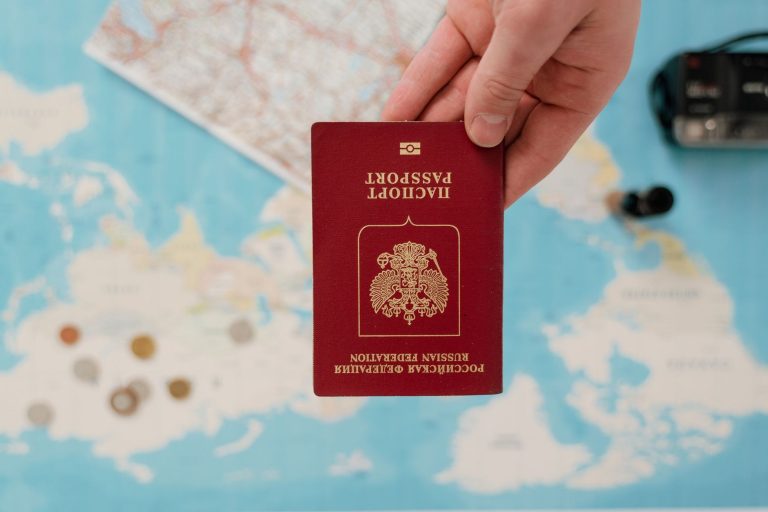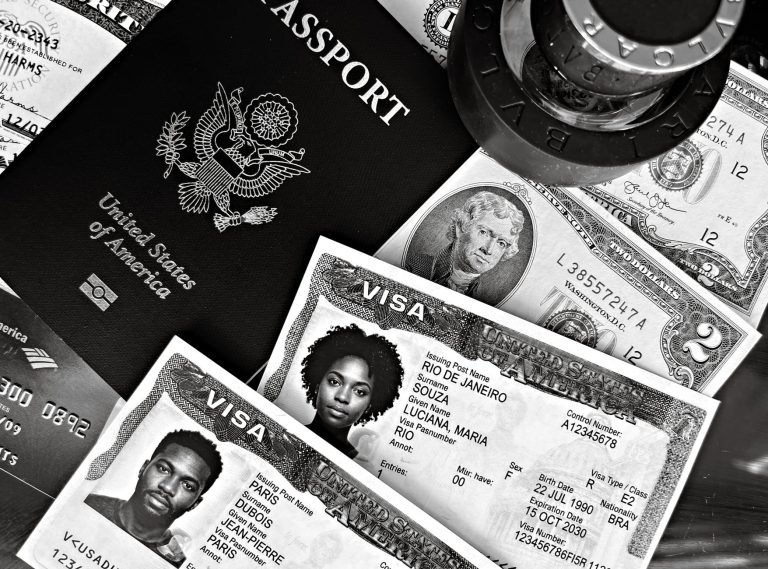
Backpacker visa backlash is becoming a significant issue as more voices join the conversation about its implications for travelers. This article explores the growing concerns surrounding this visa.
Understanding the Backpacker Visa
The backpacker visa has long been a popular option for young travelers looking to explore new countries while working to fund their adventures. However, recent changes to the visa regulations have sparked significant controversy, leading to a growing backpacker visa backlash among both travelers and industry experts.
Understanding the intricacies of the backpacker visa is crucial for those planning to travel. This visa typically allows individuals to work and reside in a foreign country for a limited period, often up to one year. It is designed to promote cultural exchange and support local economies through the influx of young travelers who contribute to various sectors, such as hospitality and agriculture.
Despite its benefits, critics argue that the current restrictions imposed on backpacker visa holders are unfair and detrimental to the travel experience. Many express concerns over:
- Increased application fees
- Lengthy processing times
- Uncertain job opportunities
As the backpacker visa backlash continues to grow, it raises important questions about the future of travel for young adventurers and the policies that govern their experiences abroad.
Current Concerns Among Travelers
As the debate surrounding the backpacker visa intensifies, travelers are increasingly voicing their concerns about its implications. Many backpackers fear that the recent changes to visa regulations will hinder their ability to explore and work abroad. This backlash has sparked discussions across various travel forums and social media platforms.
Travelers have expressed worries about the following issues:
- Increased Costs: Many backpackers are concerned about rising fees associated with obtaining a visa, which could limit access to those on a tight budget.
- Job Opportunities: Frequent changes to visa requirements may reduce the availability of jobs that allow travelers to fund their journeys, leading to financial strain.
- Uncertainty: The unpredictability of new regulations leaves many potential travelers hesitant to plan their trips, as they are unsure of what to expect.
- Impact on Local Economies: Backpackers contribute significantly to local economies; a decrease in traveler numbers could negatively affect businesses reliant on this demographic.
As the backpacker visa backlash continues to grow, it raises important questions about the future of travel for those seeking adventure while working abroad.
Government Response to Visa Backlash
The Australian government has faced increasing pressure in light of the growing backpacker visa backlash from travelers and advocacy groups alike. Responding to widespread criticism, officials have begun to reevaluate existing policies governing the visa program, which many argue has become detrimental to both the tourism industry and the cultural exchange intended by the initiative.
In a recent statement, the Minister for Immigration acknowledged the concerns raised by backpackers and local communities. They emphasized the need for a comprehensive review of the program to ensure it aligns with the original goals of supporting both travelers and the Australian economy.
Additionally, the government has proposed a series of consultations with stakeholders, including:
- Tourism operators
- Backpacker representatives
- Local business owners
- Community organizations
These discussions aim to address the concerns surrounding worker exploitation and the perceived lack of benefits for local economies. The government’s commitment to reforming the backpacker visa system reflects a recognition that sustaining Australia’s reputation as a welcoming destination for international travelers is crucial to its tourism sector.
Impact on Tourism Industry
The recent backpacker visa backlash is raising significant concerns within the tourism industry, particularly among businesses that rely heavily on international travelers. As more backpackers reconsider their plans, the ripple effects are becoming increasingly evident.
Many hostels, local tour operators, and restaurants have reported a decline in bookings and foot traffic, leading to an uncertain economic outlook. The backpacker demographic typically contributes a substantial amount to local economies, and their absence may cause:
- A drop in revenue for small businesses that cater to backpackers.
- Job losses in sectors heavily dependent on tourist spending.
- Reduced investment in infrastructure that supports tourism and hospitality.
Moreover, the backlash has sparked heated discussions among stakeholders about the long-term sustainability of the tourism sector. Industry leaders are calling for a reassessment of current policies to strike a balance between regulatory needs and the interests of travelers.
With many travelers now opting for alternative destinations, the impact of the visa situation could hinder the growth of tourism in affected regions. As the situation unfolds, stakeholders remain hopeful for a resolution that will restore confidence in the backpacker market.
Personal Stories from Affected Backpackers
As the backpacker visa backlash continues to grow, many travelers have shared their personal experiences, highlighting the emotional and financial toll the situation has taken on them. For some, the dream of exploring a new country has turned into a nightmare.
One backpacker, Emma, shared her story of arriving in Australia only to discover that changes in visa regulations would affect her ability to work legally. “I had planned my trip for over a year, but now I’m scrambling to find ways to support myself,” she explained. “It feels like my adventure has been sacrificed.”
Similarly, Jake, a traveler from Canada, expressed his frustration after investing in a costly trip. “I thought the backpacker visa would give me the freedom to explore and work. Now, I feel trapped and uncertain about my future here,” he said.
Others have reported being unable to secure jobs due to the confusion surrounding the visa process. “I had lined up several opportunities, but employers are hesitant due to the backlash,” stated Maria, who had hoped to fund her travels through seasonal work.
These stories echo a shared sentiment among many, as the backpacker visa backlash reshapes the landscape for global travelers.
Future of Backpacker Visas
The future of backpacker visas remains uncertain as the backlash against the current visa framework intensifies. Many travelers are expressing concerns over the sustainability and accessibility of these visas, leading to calls for reform. The ongoing debate has prompted both government officials and industry stakeholders to reassess the implications of maintaining the existing system.
Travelers are increasingly vocal about their experiences, highlighting the challenges they face in securing visas that once seemed straightforward. This backpacker visa backlash raises important questions about how to balance the needs of tourists with the economic interests of host countries.
Several proposals have emerged in response to these concerns, including:
- Streamlining the application process to reduce wait times
- Increasing the duration of stay for backpackers
- Enhancing support services for international travelers
As these discussions unfold, the tourism industry is keenly observing the potential changes. The outcome could significantly affect not only the backpacker demographic but also the broader travel landscape. Stakeholders are urging a collaborative approach to ensure that the future of backpacker visas aligns with both traveler aspirations and national interests.
Expert Opinions on Visa Changes
As the debate around the backpacker visa backlash intensifies, experts are weighing in on the implications of recent changes to the visa program. According to travel economist Dr. Sarah Thompson, the alterations to the visa regulations could lead to a significant decrease in the number of international travelers flocking to popular destinations. “Backpackers contribute not only to the economy but also to the cultural landscape of many regions,” she stated. “Restricting their access can have long-lasting effects on local communities.”
Furthermore, immigration lawyer Mark Reynolds emphasized the legal ramifications of the changes. “Many backpackers rely on this visa as a means to explore while also supporting themselves through temporary work. The backlash we are seeing is a direct result of their uncertainty and fear of being unable to fulfill their travel dreams,” he noted.
In addition, travel industry consultant Lisa Cheng warned that the backlash could deter potential tourists from considering countries with restrictive policies. “If travelers feel unwelcome or uncertain about their ability to secure a visa, they may choose alternative destinations. This shift could create a ripple effect in the tourism sector,” she added.
As the conversation continues, it is clear that the ramifications of the backpacker visa backlash extend beyond just the individual traveler.
The backpacker visa backlash has raised concerns among travelers who rely on these programs for affordable access to new countries. As the backpacker visa backlash continues to unfold, many are left uncertain about their future travel plans.
Photo by Nataliya Vaitkevich on Pexels
Sources
You might also like
- Royalton Hotels Jamaica: Best Proven Upgrades for Guests
- Air India Express flights: Worst Cancellation Reasons Explained
- Gatwick premium leisure flights: Easy new routes to Kilimanjaro
About the Author