Japan eVisa restrictions are critical for potential travelers. The recent announcement lists specific categories of foreigners who are ineligible to apply, impacting many hopeful applicants.
Understanding Japan’s eVisa
Japan’s eVisa system has been designed to streamline the entry process for foreign visitors; however, it has specific restrictions. Understanding Japan’s eVisa limitations is crucial for travelers planning their trip. Certain categories of foreigners are not eligible to apply for the eVisa, which can affect travel plans significantly.
Key restrictions include:
- Individuals with Criminal Records: Foreigners who have been convicted of serious crimes may face denial.
- Those with Recent Immigration Violations: Anyone who has previously overstayed a visa or violated immigration laws will likely be ineligible.
- Travelers from Certain Countries: Citizens from nations with heightened security risks may not qualify for the eVisa.
- Those Applying for Specific Purposes: Certain visa categories, such as work or long-term residence, do not fall under the eVisa.
Awareness of these Japan eVisa restrictions can prevent unexpected challenges when planning a visit.
Who Can Apply for Japan’s eVisa?
Japan’s eVisa system aims to streamline the travel process for many foreign visitors, but there are specific restrictions in place that exclude certain categories of individuals. Understanding who can apply for Japan’s eVisa is crucial for prospective travelers.
Currently, the following categories of foreigners are unable to apply for the eVisa:
- Individuals with prior immigration violations: Those who have previously overstayed their visas or violated Japan’s immigration laws are not eligible.
- Criminal record holders: Foreigners with serious criminal records may find themselves barred from the application process.
- Those with outstanding legal issues: Individuals facing legal actions that might affect their entry into Japan are also excluded.
- Travelers from specific countries: Some nations are currently restricted from applying due to diplomatic or security reasons.
Given these Japan eVisa restrictions, it is essential for travelers to verify their eligibility before planning a trip.
Recent Changes to Japan’s Visa Policies
In recent months, Japan has implemented significant changes to its visa policies, particularly concerning the Japan eVisa restrictions. These adjustments have raised concerns among various groups of potential travelers, as certain categories of foreigners are now explicitly prohibited from applying for the eVisa.
The government has classified specific nationalities and visa categories that will not qualify for this streamlined application process. The restrictions aim to address security and immigration control issues while also managing the impact of international travel on local communities.
Among the worst affected categories are:
- Foreigners with a history of overstaying their visas
- Individuals involved in illegal activities or those with criminal records
- Applicants from countries with high rates of visa violations
- Travelers seeking to enter Japan for employment purposes without prior approval
These changes highlight Japan’s ongoing efforts to balance tourism with effective immigration management.
Categories of Foreigners Affected
Japan’s recent eVisa restrictions have outlined specific categories of foreigners who are unable to apply for the electronic visa system. The government has categorized these restrictions based on various factors, including nationality and the purpose of travel.
Among the most affected groups are:
- Nationals from certain countries: Individuals from countries with high rates of passport fraud are currently excluded from the eVisa application process.
- Short-term travelers: Tourists planning to stay for less than 15 days are not eligible to use the eVisa, necessitating a traditional visa application instead.
- Those with past immigration violations: Foreigners previously denied entry into Japan or those with a history of overstaying visas are also barred from applying for the eVisa.
- Travelers with specific health concerns: Individuals who do not meet health requirements may face restrictions in obtaining an eVisa.
These Japan eVisa restrictions aim to streamline the application process while ensuring security and compliance with immigration laws.
Impact on Travelers
The recent updates on Japan eVisa restrictions have created significant challenges for many travelers planning to visit the country. As the government tightens its entry requirements, certain categories of foreigners find themselves unable to apply for the eVisa, complicating their travel plans.
The impact of these restrictions can be felt across various demographics, particularly among:
- Individuals from specific countries: Those from nations with higher travel risks may face travel bans.
- Students and workers: Foreign students and expatriate workers in certain sectors may not qualify for the eVisa, limiting their ability to travel.
- Tourists: Vacationers planning to visit Japan may need to seek alternative visa options, increasing the complexity and duration of their travel arrangements.
As these restrictions evolve, travelers must stay informed about Japan eVisa restrictions to ensure compliance and minimize disruptions to their plans. Understanding these limitations is crucial for a smooth travel experience.
How to Navigate Japan’s Visa Process
Navigating Japan’s visa process can be challenging, especially with the recent Japan eVisa restrictions that have been put in place. Understanding the specific requirements and categories affected is crucial for travelers planning to visit.
First, it is important to determine whether you fall into one of the categories that cannot apply for the eVisa. This includes:
- Individuals with criminal records
- Those who have previously overstayed their visas
- Travelers from countries lacking diplomatic relations with Japan
- People applying for specific purposes such as work or long-term stay
In addition to these restrictions, potential applicants should be aware of the necessary documentation and the processing times involved. It is advisable to start the application process well in advance of your intended travel date to avoid delays.
Ultimately, staying informed about Japan’s visa policies will help ensure a smoother entry into the country.
Common Questions About Japan eVisa
The introduction of Japan’s eVisa has brought both convenience and confusion for travelers. Many people have questions about the Japan eVisa restrictions and what they mean for their travel plans.
- Who cannot apply for the eVisa? Specific categories of foreigners, such as those with prior visa violations or certain criminal records, are ineligible.
- Are there exceptions? Yes, some individuals may qualify for alternative visas or special considerations based on their circumstances.
- How long is the eVisa valid? The eVisa typically allows for a stay of up to 90 days, but travelers should check the specific terms associated with their visa type.
- Can I convert an eVisa to a regular visa? No, once issued, the eVisa cannot be converted; travelers would need to apply for a different visa type if necessary.
Understanding these common questions is crucial for anyone considering travel to Japan amidst the evolving eVisa restrictions.
Future of Japan’s Immigration Policies
As Japan continues to adapt its immigration policies in response to global trends and domestic needs, the future of Japan’s immigration landscape remains uncertain. The recent announcement highlighting Japan eVisa restrictions has raised concerns among potential travelers and expatriates alike.
Government officials are evaluating whether to further tighten restrictions or to create more inclusive measures aimed at attracting foreign talent. This ongoing evaluation is crucial in balancing the need for security with the benefits of cultural exchange and economic growth.
Experts suggest that Japan may explore alternative visa pathways that cater specifically to skilled workers, students, and tourists, while still addressing the concerns associated with immigration. The focus on Japan eVisa restrictions may lead to a more nuanced approach that considers both the needs of the economy and the cultural implications of foreign visitors.
As the situation evolves, stakeholders, including businesses and potential travelers, are encouraged to stay informed about any changes that may impact their plans and opportunities in Japan.
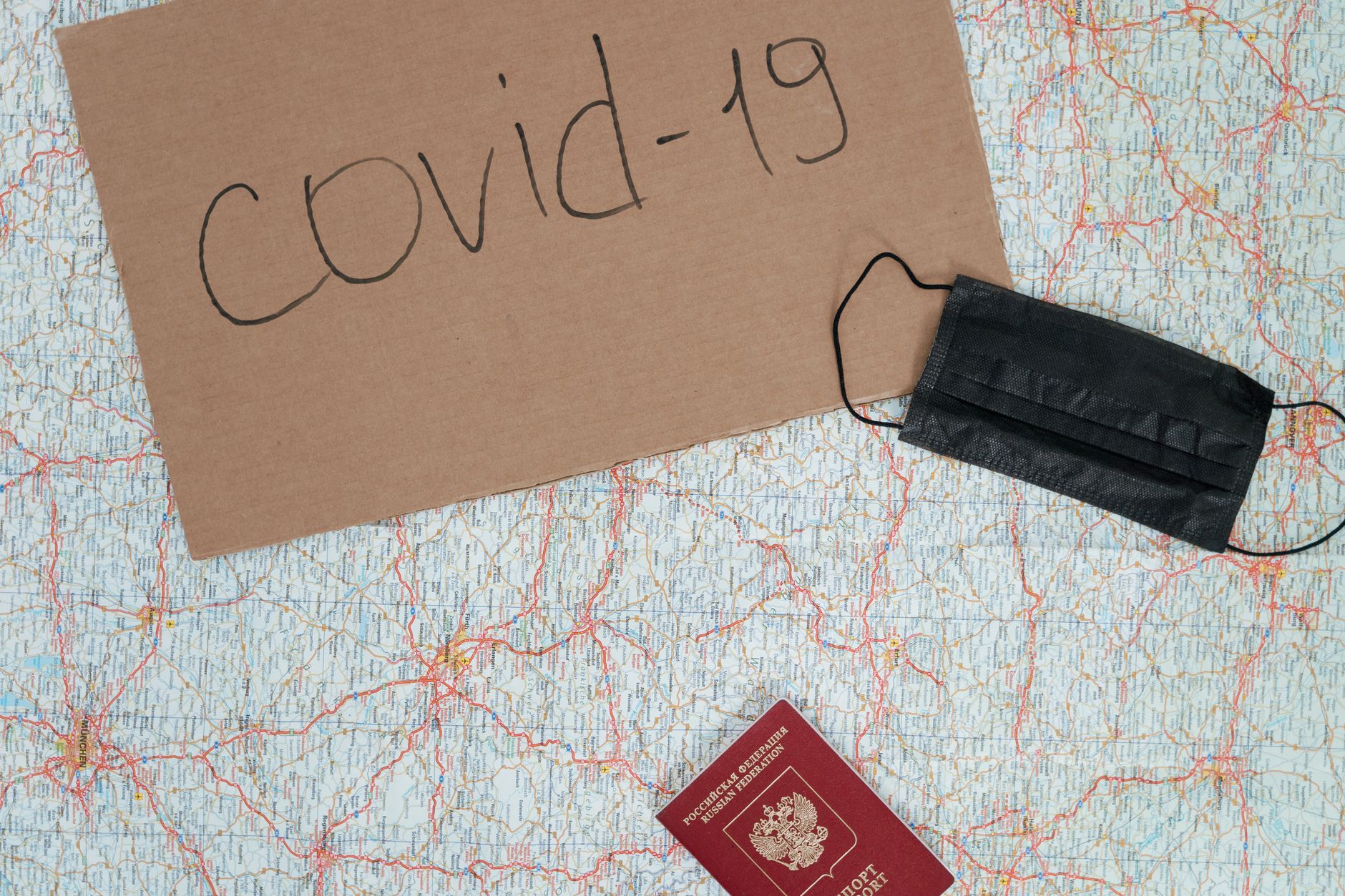
Understanding the Japan eVisa restrictions is crucial for travelers planning to visit the country. Certain categories face stricter Japan eVisa restrictions, which can impact the ease of obtaining necessary travel documents.
Photo by Tima Miroshnichenko on Pexels
Sources
- 30th Street Station news: What’s Best and New in 2023?
- Cape Verde Travel for Algerians: Easy E-Visa Process Explained
- Air India Express Flights: Easy Daily Travel to Pune & Chennai
About the Author