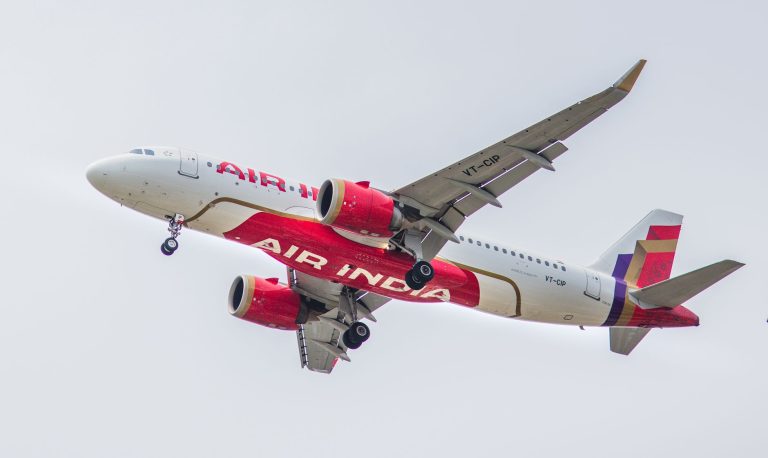
The alternate route via China is emerging as a viable option for India following the recent Pakistan airspace ban. This strategic move could enhance travel efficiency and connectivity.
Understanding the Alternate Route via China
As geopolitical tensions continue to shape air travel in South Asia, India is exploring an alternate route via China to circumvent the recent ban on its flights through Pakistani airspace. This strategic move aims to enhance connectivity and facilitate trade, particularly in light of the growing need for efficient logistics solutions.
With the ongoing restrictions imposed by Pakistan, Indian airlines have faced significant operational challenges, leading to longer flight times and increased costs. The proposed alternate route via China offers a potential lifeline, allowing airlines to optimize their flight paths and reduce delays.
The benefits of utilizing this new route include:
- Shortened travel times: By bypassing the congested airspace over Pakistan, flights can operate more efficiently.
- Enhanced trade opportunities: This route can facilitate quicker delivery of goods between India and various international markets.
- Strategic partnerships: Collaborating with China on this new air route could foster stronger economic ties between the two nations.
While this alternate route via China presents numerous advantages, it is essential for Indian authorities to assess the implications carefully, ensuring that diplomatic relations remain stable. As the situation evolves, a well-planned approach will be crucial for maximizing the potential benefits of this new air corridor.
Impact of Pakistan Airspace Ban on Travel
The recent ban on flights over Pakistan’s airspace has significantly disrupted air travel routes for India. As a result, many airlines are now considering an alternate route via China to ensure timely connectivity. This shift not only impacts flight durations but also the overall travel experience for passengers.
Travelers are facing longer flight times and increased operational costs as airlines navigate the new airspace restrictions. The rerouting necessitates adjustments in scheduling and resource allocation, which may lead to higher ticket prices. Moreover, passengers are experiencing the inconvenience of longer layovers in some instances, as flights take indirect paths to reach their destinations.
In addition to logistical challenges, the airspace ban has broader implications for diplomatic relations in the region. It highlights the ongoing tensions between India and Pakistan and the need for India to explore alternate travel options. By utilizing the alternate route via China, airlines can mitigate the impact of these geopolitical issues while maintaining service reliability.
As more travelers and airlines adapt to this change, it is crucial to monitor the long-term effects on travel patterns and international relations. The shift towards using the Chinese airspace could pave the way for new partnerships and opportunities within the aviation industry, enhancing connectivity across Asia.
Benefits of Choosing the China Route
Choosing the alternate route via China presents several significant benefits for India, especially in light of the ongoing restrictions imposed by Pakistan on its airspace. This strategic decision allows for enhanced connectivity and improved travel times for various sectors, including trade and tourism.
- Reduced Travel Times: Utilizing the alternate route via China can lead to shorter flight durations for numerous international destinations, thereby increasing efficiency in travel logistics.
- Expanded Trade Opportunities: Accessing Chinese airspace opens new avenues for trade, allowing Indian businesses to tap into the vast Chinese market and strengthen economic ties.
- Increased Air Traffic: With more options for airlines, competition will likely drive down ticket prices, benefiting consumers and increasing passenger volumes.
- Enhanced Diplomatic Relations: Engaging with China through this route can foster better diplomatic relations, potentially leading to collaborative ventures in various sectors.
- Resilience Against Disruptions: Establishing an alternate route helps mitigate risks associated with geopolitical tensions, ensuring that air travel remains uninterrupted.
In conclusion, the alternate route via China not only provides practical solutions to current challenges but also positions India advantageously for future growth and connectivity in the region.
Future of India-China Travel Relations
The future of India-China travel relations appears promising as both nations explore opportunities for collaboration and connectivity. With the recent emphasis on the alternate route via China, stakeholders are optimistic about the potential benefits this route could bring to bilateral ties.
As India seeks to enhance its engagement with China through this new pathway, several factors may influence the trajectory of these relations:
- Economic Cooperation: Increased travel connectivity can facilitate trade and tourism, fostering a deeper economic partnership.
- Cultural Exchange: Enhanced travel options can encourage cultural interactions, allowing citizens of both countries to learn from each other.
- Diplomatic Dialogue: Improved travel routes can serve as a platform for diplomatic discussions, addressing historical tensions and paving the way for future collaboration.
- Infrastructure Development: The need for modernized infrastructure along the new route could lead to investments and job creation in both nations.
While challenges remain, such as geopolitical tensions and regulatory hurdles, the focus on the alternate route via China signals a strategic shift that could redefine travel relations. By embracing this opportunity, India and China may not only improve their connectivity but also lay the groundwork for a more cooperative future.
Read the original
Related stories
- Is the Deir Samaan Citadel reopening Safe and Worth Visiting?
- World Tourism Day: Is Sajek Valley the Best Destination?
- Gilcrease Museum reopening: Worth the wait for $140M upgrade
About the Author