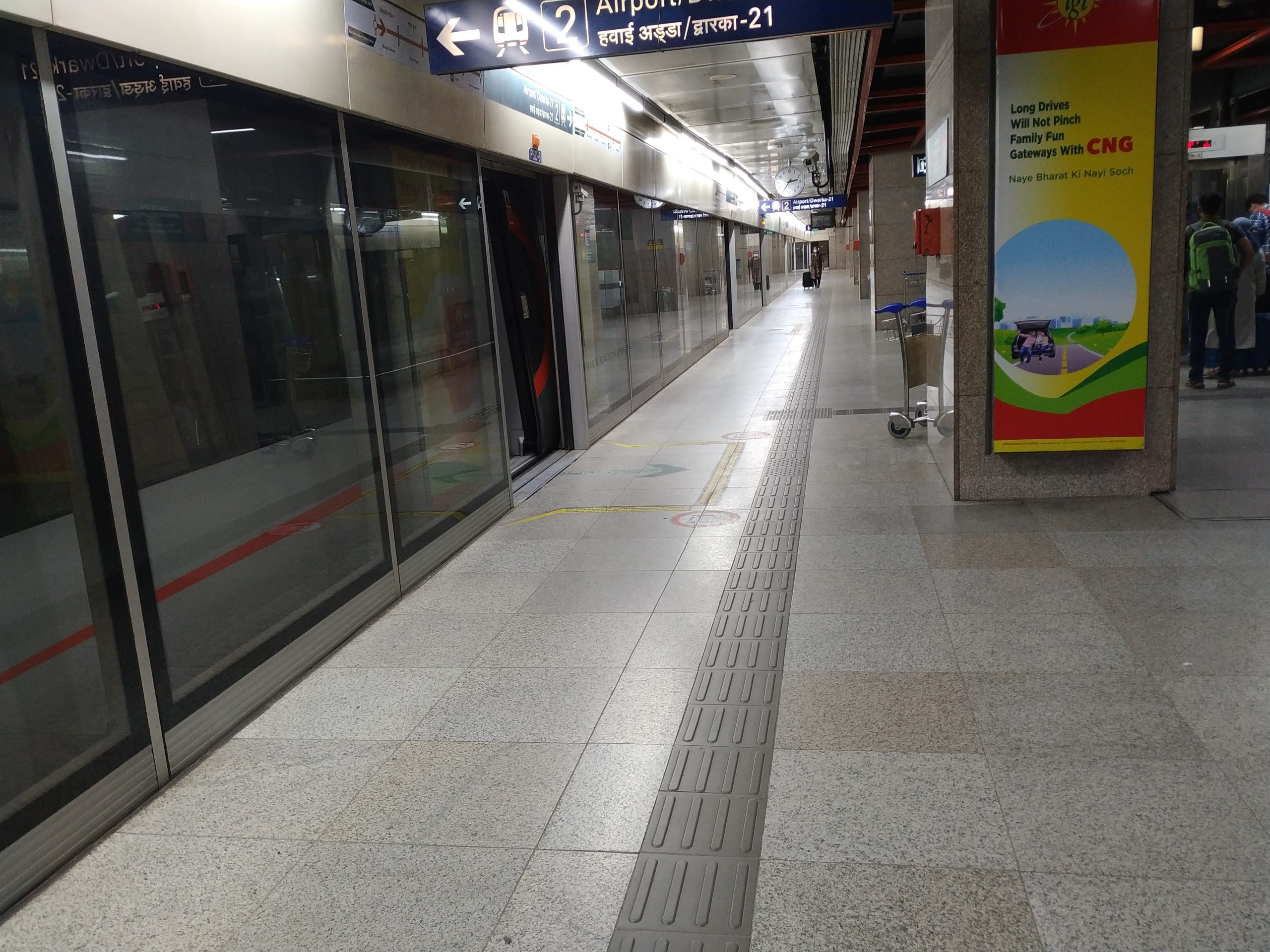
Delhi airport metro is set to revolutionize travel with a new driverless train connecting T1, T2, and T3. This ₹3,500 crore plan aims to enhance passenger convenience.
Overview of the Delhi airport metro plan
The Delhi airport metro plan is set to revolutionize transportation for travelers heading to and from the Indira Gandhi International Airport. This ambitious project, estimated to cost ₹3,500 crore, aims to establish a seamless connection between the airport terminals—T1, T2, and T3—through a state-of-the-art driverless train system.
With the implementation of the Delhi airport metro, passengers can expect:
- Increased Efficiency: The driverless trains will significantly reduce travel time, ensuring that passengers can make their flights with ease.
- Enhanced Connectivity: The metro line will link the airport directly with major transport hubs in the city, making it more convenient for commuters.
- Modern Infrastructure: The design of the metro will feature advanced technology and amenities, catering to the needs of both domestic and international travelers.
As the plan gains momentum, stakeholders are optimistic that the Delhi airport metro will not only improve passenger experience but also contribute to the overall development of the region’s transport network.
Benefits of the new metro system
The new Delhi airport metro system promises a host of benefits for travelers and commuters alike. With a budget of ₹3,500 crore allocated for the project, the introduction of a driverless train will make connectivity between terminals T1, T2, and T3 seamless and efficient.
Some key advantages of the Delhi airport metro include:
- Time Efficiency: The metro is expected to drastically reduce travel time between terminals, making it easier for passengers to transfer between flights.
- Cost-Effective: Fares are anticipated to be reasonable, providing an affordable alternative to taxis and ride-hailing services.
- Environmentally Friendly: As a mass transit solution, the metro will help decrease the carbon footprint associated with individual car travel.
- Accessibility: The new system will enhance accessibility for people with disabilities, ensuring that everyone can navigate the airport with ease.
- Increased Capacity: The driverless trains will allow for higher passenger capacity, accommodating the growing number of travelers using the airport.
Overall, the Delhi airport metro aims to transform the way passengers connect to one of India’s busiest airports, enhancing the travel experience significantly.
Timeline for construction and launch
The Delhi airport metro project has been meticulously planned with a clear timeline to ensure timely execution and launch. The ambitious project, estimated to cost around ₹3,500 crore, is set to revolutionize connectivity for travelers using the Indira Gandhi International Airport.
Construction is expected to commence in early 2024, with the groundwork involving extensive site preparations and infrastructure development. The project aims to incorporate advanced technology by introducing a driverless train system, which will be a significant enhancement to the existing transport network.
Key milestones include:
- 2024: Start of construction, including the laying of tracks and construction of stations.
- 2025: Completion of the first phase, which will connect terminals T1, T2, and T3.
- 2026: Testing and commissioning of the driverless trains.
- 2027: Official launch of the Delhi airport metro, facilitating seamless travel for millions.
This timeline highlights the commitment to enhancing the travel experience and ensuring that the Delhi airport metro becomes a vital link in the city’s transportation framework.
Impact on passenger travel experience
The introduction of the Delhi airport metro promises to significantly enhance the passenger travel experience for those navigating to and from the airport. With the new system, travelers can expect a seamless connection between the terminals and various city locations, ultimately reducing travel times and easing congestion on the roads.
Passengers will benefit from:
- Time efficiency: The driverless trains are designed to operate at high speeds, allowing travelers to reach the airport in a fraction of the time compared to traditional transport options.
- Increased comfort: Modern amenities within the metro cars, such as spacious seating and climate control, will provide a more pleasant journey.
- Accessibility: The metro will cater to all passengers, including those with disabilities, ensuring easy access to all terminals.
- Cost-effectiveness: With competitive fare structures, the metro will offer an affordable alternative to taxis and private vehicles.
Overall, the Delhi airport metro is set to transform the way travelers access the airport, making it a more efficient and enjoyable experience.
Comparison with existing transportation options
The introduction of the Delhi airport metro presents a significant improvement over existing transportation options available to travelers. Currently, passengers rely on a mix of taxis, auto-rickshaws, and buses to reach the airport. While these options provide some level of accessibility, they often lead to challenges such as traffic congestion and unpredictable travel times.
In comparison, the Delhi airport metro aims to offer a more efficient and reliable alternative. Key benefits of the metro system include:
- Speed: The metro is expected to cover the distance between major terminals in a fraction of the time it takes by road.
- Predictability: With a dedicated route, the metro will avoid traffic delays, ensuring timely arrivals for passengers.
- Comfort: The driverless trains will provide a modern and comfortable travel experience, with ample space for luggage.
Moreover, the integration of the metro system with other public transport options, such as buses and local trains, will enhance connectivity. Overall, the Delhi airport metro stands out as a transformative solution, providing a seamless travel experience that is both quick and efficient.
Future of transportation at Delhi Airport
The future of transportation at Delhi Airport looks promising with the introduction of the Delhi airport metro system. This ambitious plan aims to create a seamless and efficient link between the airport terminals and the city, enhancing connectivity for both domestic and international travelers.
Key features of the new system include:
- Driverless Trains: The adoption of driverless technology is expected to streamline operations and reduce wait times for passengers.
- Multiple Terminal Connections: The metro will connect all three terminals—T1, T2, and T3—ensuring easy transfers between them.
- Reduced Travel Time: With the metro in place, travel time between the airport and key city locations could be cut significantly, making it a preferred choice for many.
Moreover, the integration of the Delhi airport metro into the existing public transport infrastructure will allow for a more comprehensive transit experience. As urbanization continues to rise, such initiatives are crucial for managing the growing demand for efficient transport solutions. The successful implementation of this metro plan could set a benchmark for similar projects across the country.
Ultimately, the Delhi airport metro is poised to revolutionize travel to and from one of the busiest airports in the nation.
By Ravi Dwivedi via Openverse
References
You might also like
- Air India Express routes: Are they the best expansion plan?
- Parent Visas Australia: The Best Proven Options for Families
- Australia Student Visa Restrictions: The Worst Impact on Dependants
About the Author