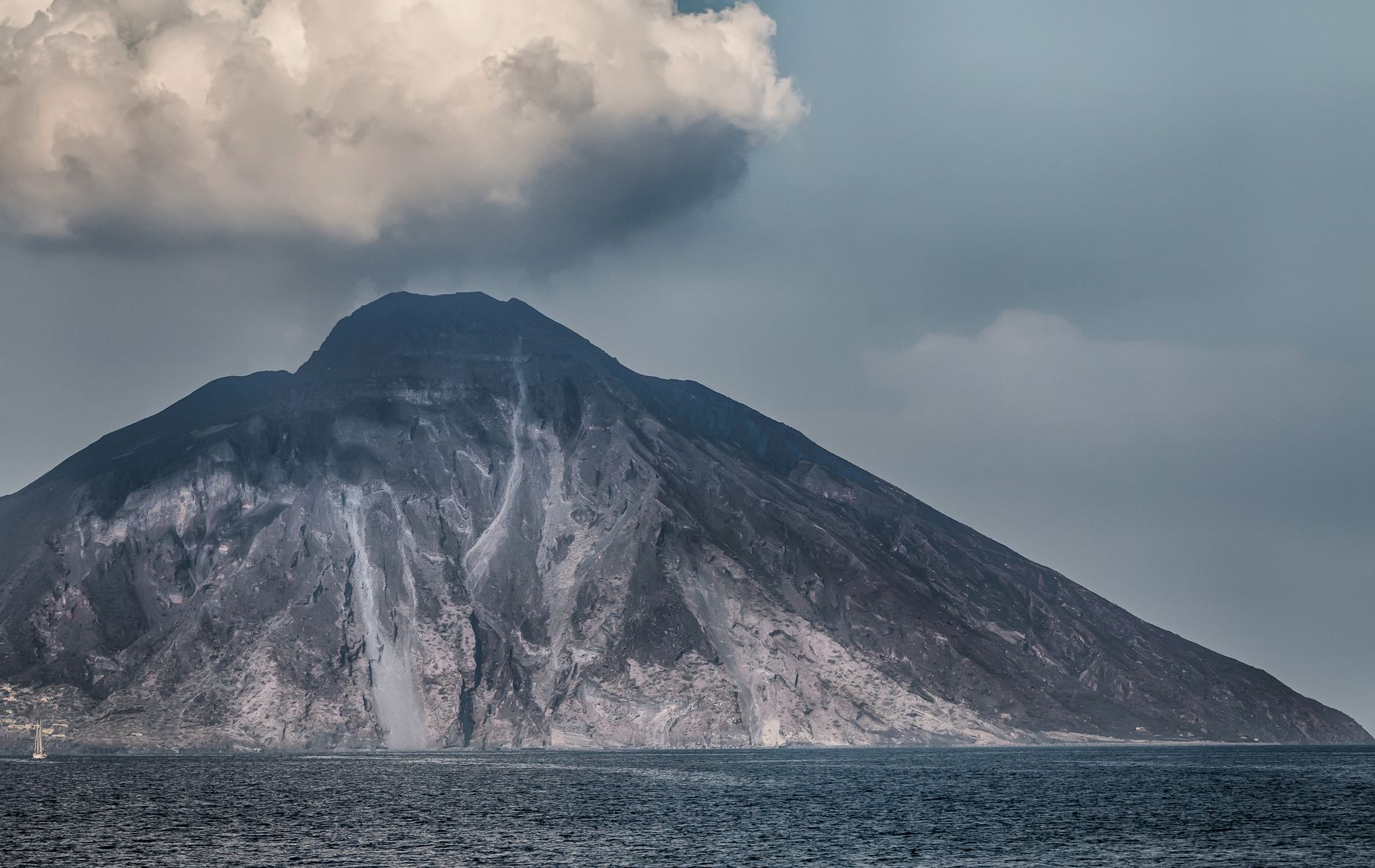
Krakatau eruption news reveals significant travel disruptions as the volcano erupts, stranding 170,000 individuals and shutting down 8 airports.
Overview of the Anak Krakatau Eruption
The recent Anak Krakatau eruption has triggered widespread disruptions, affecting travel and safety across the region. As the volcano erupted violently, it sent ash clouds soaring into the atmosphere, leading to significant visibility issues and prompting the closure of several airports. Reports indicate that over 170,000 travelers have been stranded due to these unforeseen circumstances.
This event marks one of the worst travel disruptions in 2023, with 8 airports forced to suspend operations. The eruption has not only impacted air travel but has also raised concerns about the safety of nearby communities, as local authorities have issued evacuation orders for those living in vulnerable areas.
According to geological experts, the activity of Anak Krakatau is closely monitored, and further eruptions could continue to pose risks to both air travel and the surrounding population. Travelers are advised to stay updated on flight statuses and heed any travel advisories from local officials.
In light of the ongoing situation, airlines are working to accommodate affected passengers, but the scale of the disruption means that delays and cancellations are likely to persist in the coming days. The Krakatau eruption news continues to evolve, and further updates will be provided as more information becomes available.
Travel Impact of the Eruption
The recent eruption of Anak Krakatau has triggered significant travel disruptions across the region, affecting thousands of passengers. With the Krakatau eruption news making headlines, numerous flights have been canceled or delayed, stranding approximately 170,000 travelers. The chaos began when volcanic ash spread through the airspace, prompting authorities to shut down eight airports in Indonesia and surrounding areas.
Airlines are struggling to manage the surge of disrupted travel plans. Here are some key points regarding the travel impact:
- Airport Closures: Major airports including Soekarno-Hatta International Airport in Jakarta and Ngurah Rai International Airport in Bali are among those affected.
- Flight Cancellations: Numerous airlines have suspended operations, leading to a backlog of passengers trying to rebook their flights.
- Safety Measures: Authorities are closely monitoring air quality and have advised travelers to stay informed about potential changes in flight schedules.
- Travel Alternatives: Many travelers are seeking alternate routes, but limited options are available due to the scale of disruptions.
As the situation develops, travelers are urged to check with their airlines for the latest updates and to remain patient during this challenging time. The Krakatau eruption news continues to evolve, highlighting the ongoing challenges posed by natural disasters on global travel.
Airports Affected by the Krakatau Eruption
The recent Krakatau eruption has led to significant travel disruptions, particularly affecting several airports in the region. According to reports, as many as eight airports have been shut down due to the volcanic activity, leaving thousands of travelers stranded.
The following airports have been impacted:
- Soekarno-Hatta International Airport – Jakarta, Indonesia
- Halim Perdanakusuma Airport – Jakarta, Indonesia
- Juanda International Airport – Surabaya, Indonesia
- Ngurah Rai International Airport – Bali, Indonesia
- Adisutjipto International Airport – Yogyakarta, Indonesia
- Raden Inten II International Airport – Lampung, Indonesia
- Sultan Syarif Kasim II International Airport – Pekanbaru, Indonesia
- Supadio International Airport – Pontianak, Indonesia
As a result of these closures, approximately 170,000 passengers have been impacted, with many flights canceled or postponed indefinitely. The ongoing volcanic activity has raised safety concerns, prompting authorities to prioritize public safety over travel. As the situation evolves, updates regarding the reopening of these airports will be closely monitored by both travelers and airlines alike.
Advice for Stranded Travelers
As the Krakatau eruption continues to create chaos, travelers are left stranded, with many unsure of how to proceed. Authorities are urging those affected to remain calm and follow the guidance provided by local officials and travel agencies.
Here are some essential tips for stranded travelers:
- Stay Informed: Monitor local news and updates regarding the Krakatau eruption news. Follow official channels on social media for real-time information.
- Contact Airlines: Reach out to your airline to understand your options for rebooking flights. Many airlines are offering flexible policies for those impacted by the eruption.
- Consider Alternative Routes: If your flight has been canceled, explore alternate travel routes. Trains and buses may offer viable options to reach your destination.
- Accommodation: If you need a place to stay, check with local hotels for availability. Some may offer special rates for stranded travelers.
- Travel Insurance: Review your travel insurance policy to see if it covers disruptions caused by natural disasters. If you haven’t purchased insurance, consider doing so for future trips.
Staying patient and proactive is crucial in navigating this challenging situation caused by the Krakatau eruption.
Historical Context of Krakatau Eruptions
The Krakatau eruption has a long history of significant volcanic activity, dating back to the infamous eruption of 1883 that reshaped the region and had a global impact. The 1883 eruption was one of the deadliest and most destructive eruptions in recorded history, leading to the deaths of over 36,000 people and the creation of a massive tsunami that affected coastlines as far away as the United States.
In the years following the 1883 eruption, the island of Krakatau remained largely dormant until the emergence of Anak Krakatau, or “Child of Krakatau,” in 1927. This new volcanic island has experienced numerous eruptions over the decades, each contributing to the geographical and ecological landscape of the Sunda Strait.
Recent eruptions of Anak Krakatau have drawn attention due to their intensity and the potential for widespread disruption, including the recent events in 2023. As seen with the latest eruption, the fallout has caused significant travel disruptions, with over 170,000 travelers stranded and eight airports closed, highlighting the ongoing legacy of the Krakatau eruption news.
Understanding the historical context of Krakatau eruptions helps to underscore their potential risks and the importance of monitoring volcanic activity in the region.
Government Response to the Eruption
The Indonesian government has mobilized its resources in response to the recent Krakatau eruption, which has caused significant travel disruptions in 2023. With more than 170,000 travelers stranded due to the closure of eight airports, officials have prioritized the safety and well-being of those affected.
In an effort to manage the situation, the government has implemented a series of measures:
- Emergency Response Teams: Deployed to assist stranded travelers and provide necessary support.
- Transportation Alternatives: Efforts are underway to arrange ferry services and land transportation for those needing to reach their destinations.
- Public Information Campaigns: Authorities have disseminated timely updates via social media and news outlets to keep the public informed about the situation and travel advisories.
- Monitoring Air Quality: Continuous assessments are being conducted to ensure that air travel can resume safely once conditions improve.
The Minister of Transportation has emphasized the importance of coordination among various agencies to address the ongoing travel crisis effectively. As the situation evolves, officials remain focused on the impacts of the Krakatau eruption news, aiming to restore normalcy while ensuring the safety of all affected individuals.
Future Predictions for Krakatau Activity
Experts are closely monitoring the current situation surrounding the Krakatau eruption, as predictions concerning future activity become increasingly important. Seismologists believe that the recent eruption may lead to further volcanic activity, which could have significant implications for both the local population and international travel.
Several factors contribute to these predictions:
- Seismic Activity: There has been a notable increase in seismic activity around the Anak Krakatau volcano, indicating that magma is still moving beneath the surface.
- Historical Patterns: Previous eruptions of Krakatau have often been followed by periods of increased volcanic activity, suggesting that the region could experience more eruptions in the near future.
- Weather Conditions: Changes in weather patterns, including heavy rainfall, could also impact the stability of the volcano and lead to more eruptions.
Travelers should remain vigilant as airlines and government authorities continue to assess the situation. With travel disruptions already affecting approximately 170,000 people, the potential for further disruptions looms large, particularly if the Krakatau eruption continues to escalate. Ongoing updates from the authorities will be crucial for those considering travel in the region.
Travel Safety Tips During Volcanic Eruptions
As the Krakatau eruption news continues to unfold, travelers are advised to take extra precautions when navigating regions affected by volcanic activity. Here are some essential travel safety tips during volcanic eruptions:
- Stay informed: Regularly check for updates from local authorities and the news regarding the status of the eruption and any travel advisories.
- Have an emergency plan: Identify safe routes to evacuate the area if necessary and keep emergency contacts readily available.
- Packing essentials: Ensure you have necessary items such as masks to protect against ash inhalation, water, snacks, and a first aid kit.
- Travel insurance: Consider purchasing comprehensive travel insurance that covers volcanic eruptions and associated disruptions.
- Flexible travel arrangements: If you have travel plans in affected areas, look for options that allow changes without significant penalties.
- Monitor flight statuses: Keep an eye on your airline’s updates, as cancellations and delays are common during volcanic eruptions.
- Follow local guidance: Always adhere to advice from local authorities, including evacuation orders and safety protocols.
By staying prepared and informed, travelers can navigate the challenges posed by the Krakatau eruption news more effectively.
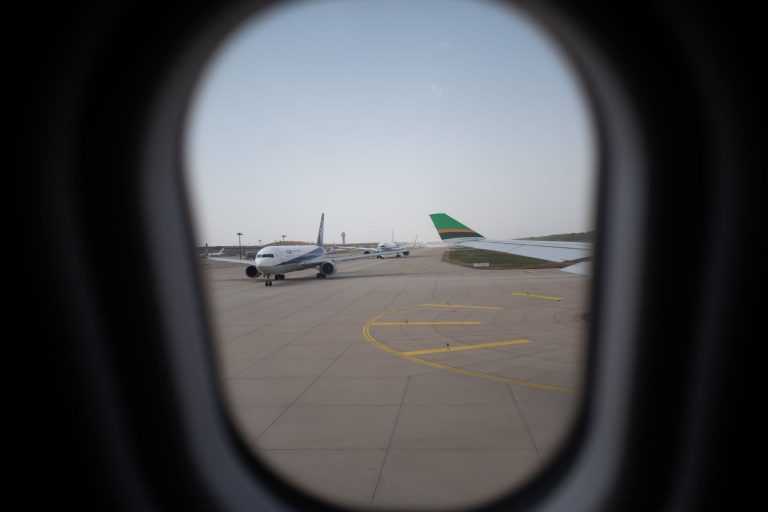
The Krakatau eruption news has led to significant travel disruptions affecting thousands of passengers worldwide. Airlines are scrambling to adjust their schedules in response to the ongoing Krakatau eruption news.
Photo by Walkers on Pexels
Where this came from
- Calcutta Airport passenger service: A Smart New Drive
- Thomas Cook Forex Counters: Quick and Easy Currency Exchange
- Visa Restrictions South Africa: Are They the Worst for Immigrants?
About the Author