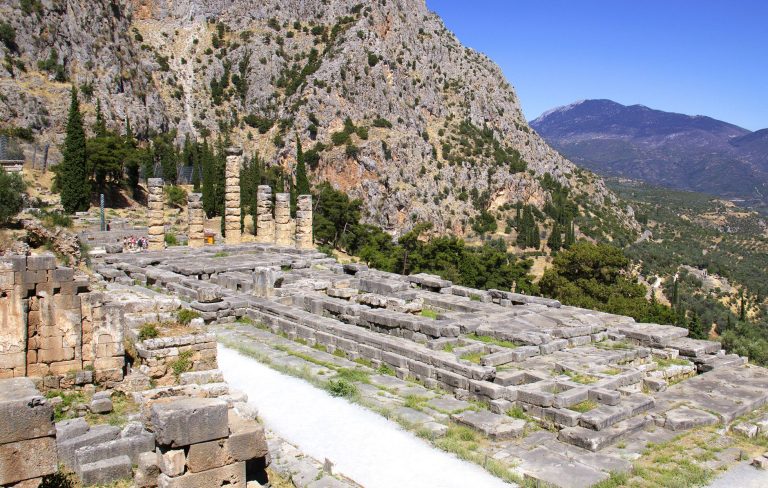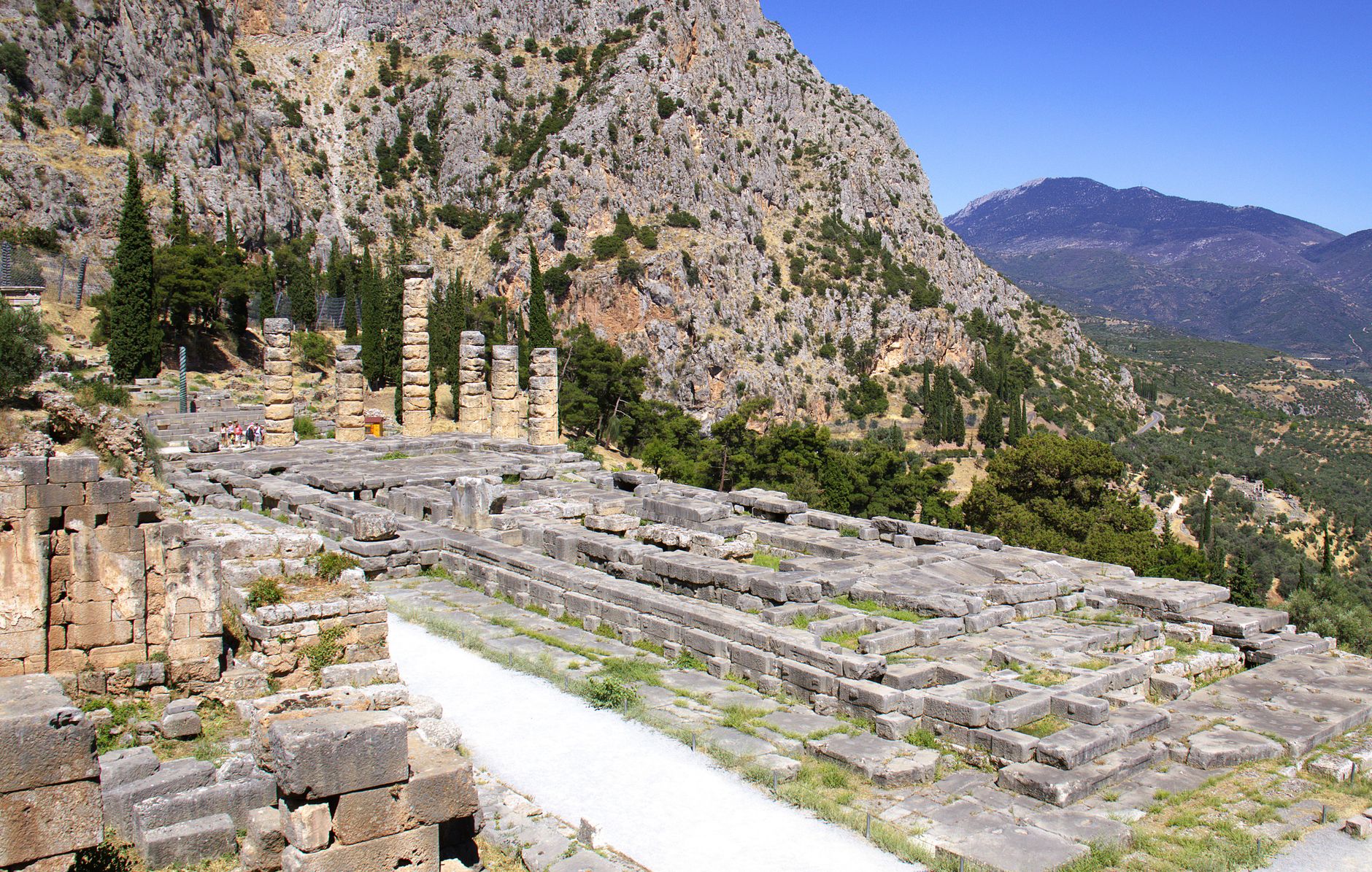
Mediterranean heritage sites are increasingly facing challenges due to growing tourism and access issues. This trend raises concerns about the preservation of these culturally significant locations.
The Impact of Tourism on Heritage Sites
The surge in tourism across Mediterranean heritage sites has led to significant challenges, impacting both preservation efforts and visitor experiences. As millions flock to these culturally rich locations, the delicate balance between accessibility and conservation is increasingly strained.
One of the primary concerns is the overwhelming foot traffic, which can cause physical degradation to ancient structures and landscapes. Many sites are experiencing wear and tear, leading to the need for costly repairs and restoration efforts. In some cases, local authorities are implementing measures such as visitor caps to mitigate damage.
Additionally, the influx of tourists often transforms local economies, creating a reliance on tourism that can overshadow traditional livelihoods. This shift can lead to increased prices for local goods and services, making it difficult for residents to maintain their way of life.
Furthermore, the cultural authenticity of these Mediterranean heritage sites is at risk, as commercial interests sometimes prioritize visitor satisfaction over genuine cultural experiences. It is crucial for stakeholders to find sustainable solutions that ensure the preservation of these invaluable sites for future generations.
Challenges in Accessing Mediterranean Sites
The increasing popularity of Mediterranean heritage sites has brought about significant challenges in accessing these treasured locations. As tourism continues to rise, the delicate balance between preserving cultural integrity and accommodating visitors becomes ever more precarious.
Several issues contribute to these challenges:
- Overcrowding: Many sites experience a surge of tourists, leading to congestion that not only impacts the visitor experience but also threatens the physical integrity of the sites.
- Environmental Impact: The influx of visitors can strain local ecosystems, with increased waste and pollution threatening the very landscapes that attract tourists in the first place.
- Infrastructure Strain: Local infrastructure, including transportation and accommodation, often struggles to keep pace with the growing demand, leading to inadequate services.
- Economic Disparities: While tourism can provide vital income, it can also lead to inflation and increased living costs for local residents, creating tensions within communities.
As Mediterranean heritage sites face these growing tourism challenges, stakeholders must find sustainable solutions to safeguard both the sites and the experiences of future visitors.
Strategies for Sustainable Tourism
As Mediterranean heritage sites grapple with the pressures of increased tourism, several strategies are emerging to promote sustainable practices. These approaches aim to protect cultural landmarks while ensuring that local communities benefit from tourism.
One effective strategy is the implementation of visitor management systems. By regulating visitor numbers, sites can minimize wear and tear on fragile structures, thereby preserving their integrity for future generations. Additionally, educational programs play a crucial role in fostering awareness among tourists about the significance of these heritage sites.
Another key strategy involves enhancing community engagement. Local populations are encouraged to participate in tourism planning, ensuring that their voices are heard and that they reap the benefits of tourism. This can include:
- Supporting local artisans and businesses
- Promoting cultural events and experiences
- Creating partnerships with non-profit organizations focused on conservation
By prioritizing sustainability, Mediterranean heritage sites can navigate the growing tourism challenges while honoring their rich cultural landscapes.
Future of Mediterranean Heritage Preservation
The future of Mediterranean heritage preservation hinges on the delicate balance between tourism and conservation. As visitor numbers continue to rise, the need for sustainable practices becomes increasingly urgent. A collaborative approach involving local communities, governments, and heritage organizations is essential to safeguard these invaluable sites.
Many Mediterranean heritage sites are already implementing innovative strategies to mitigate the impact of mass tourism. These include:
- Visitor management systems: Controlled access to reduce overcrowding.
- Awareness campaigns: Educating tourists about the significance of preserving cultural and historical sites.
- Community involvement: Engaging locals in preservation efforts to foster a sense of ownership.
- Investment in infrastructure: Upgrading facilities to accommodate visitors while protecting the environment.
Moreover, international collaboration can enhance the effectiveness of these preservation efforts. Countries sharing the Mediterranean heritage can work together to establish best practices and share resources. Ultimately, preserving the charm and integrity of Mediterranean heritage sites is crucial not only for future generations but also for the cultural identity of the region.
Photo by José Barbosa on Pexels
Read the original
Related stories
Vancouver Bengaluru airports: Smart partnership for cargo growth · Is Riyadh Airport reopening the best travel option now? · Are Brisbane to NYC flights the best travel option now?
About the Author