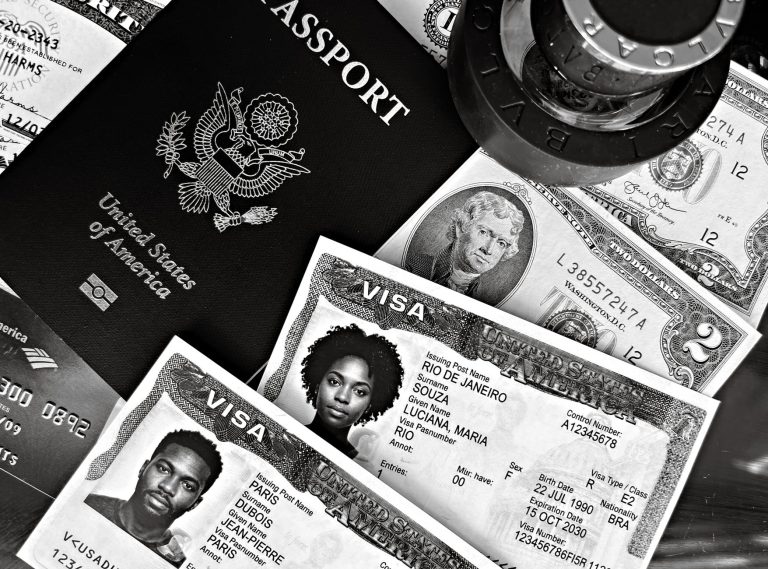

The UAE visa ban has been lifted for one African country, setting a 21-day entry condition for its citizens. This change is significant for travelers looking to visit the UAE.
Overview of the UAE Visa Ban
The recent updates concerning the UAE visa ban have stirred various discussions among travelers and expatriates. The United Arab Emirates has lifted the visa ban for citizens from one African nation, introducing a new stipulation that requires a 21-day entry condition for these individuals. This change reflects the UAE’s ongoing efforts to balance security concerns with the desire to enhance tourism and business opportunities.
Many view this new policy as a double-edged sword. On one hand, the lifting of the visa ban creates potential for increased travel and investment from the affected country, fostering stronger ties between nations. On the other hand, the 21-day entry condition raises questions about the practicality and implications for citizens wishing to visit the UAE. Some argue that this requirement may deter travelers who are unable to commit to such a lengthy stay.
- Pros: Increased tourism and business opportunities.
- Cons: Possible deterrent for short-term travelers.
As the UAE continues to navigate the complexities of its immigration policies, the impact of the visa ban and its conditions will likely be closely monitored by both the government and international observers.
Impact on Travelers
The recent UAE visa ban has sparked significant discussion among travelers, particularly those from the affected regions. The introduction of a 21-day entry condition for citizens of the recently reinstated country raises questions about its implications.
Many travelers are now faced with the challenge of adjusting their plans to accommodate this new requirement. The impact can be both logistical and financial:
- Travel Itinerary Adjustments: Travelers may need to extend their stay or modify their travel dates to comply with the 21-day rule, leading to potential changes in flight bookings and accommodation arrangements.
- Increased Costs: With extended stays, individuals might incur additional expenses, such as lodging and local transportation, which could deter some from visiting the UAE.
- Emotional Toll: The uncertainty surrounding visa regulations can create stress for those planning to visit family or friends in the UAE, as they navigate the complexities of entry requirements.
- Tourism Impact: The new entry condition might influence the overall tourism dynamics, with some travelers reconsidering their trips to the UAE due to the perceived hassle.
As the situation evolves, travelers are encouraged to stay informed about any updates related to the UAE visa ban and its implications for their travel plans.
Details of the 21-Day Entry Condition
The recent changes to the UAE visa ban have sparked discussions among travelers and expatriates alike. The introduction of a 21-day entry condition for citizens from certain countries marks a significant shift in the UAE’s immigration policies.
This new condition requires travelers to adhere to specific guidelines to qualify for entry into the UAE. The key points of the 21-day entry condition include:
- Eligibility: Only citizens from designated countries will be allowed to enter the UAE under this new condition.
- Documentation: Travelers must present valid travel documents and proof of onward travel.
- Duration of Stay: Visitors must ensure their stay does not exceed the 21 days allowed under this policy.
- Compliance: Adherence to local laws and regulations during their stay is mandatory.
- Health Protocols: Travelers may be required to meet specific health guidelines, including potential COVID-19 testing.
The 21-day entry condition aims to facilitate tourism while maintaining security and health standards. However, it raises questions about the practicality and feasibility for those looking to visit the UAE. As travelers navigate these new regulations, the impact of the UAE visa ban continues to evolve.
Reactions from African Citizens
Reactions from African citizens regarding the recent UAE visa ban and the new 21-day entry condition have been mixed, reflecting a range of opinions on the implications for travel and opportunities.
- Concerns About Accessibility: Many travelers expressed worries about the added restrictions, feeling that the 21-day requirement could hinder spontaneous travel plans. “It’s frustrating to plan everything around a specific timeframe,” one traveler noted.
- Reactions from Business Professionals: Businesspeople have voiced their discontent, emphasizing how the visa ban can affect trade opportunities. “This condition complicates our ability to connect with partners in the UAE,” a local entrepreneur commented.
- Support for Safety Measures: Conversely, some citizens understand the UAE’s position. “I appreciate that they are trying to manage security,” said a student pursuing studies in Dubai. “However, it shouldn’t come at the cost of accessibility.”
- A Call for Fair Treatment: Advocacy groups have urged the UAE to reconsider the blanket ban. “We seek a more equitable approach that reflects our contributions to the region,” stated a representative of an African diaspora organization.
As discussions continue, it remains to be seen how the 21-day condition will affect travel patterns and perceptions of the UAE among African citizens.
Comparison with Other Visa Policies
The recent UAE visa ban has sparked discussions about its implications for travelers from various regions. When compared to other countries’ visa policies, the UAE’s approach appears both stringent and unique. Several nations maintain strict visa regulations, but the 21-day entry condition introduced alongside the visa ban sets the UAE apart.
Many countries, such as Canada and Australia, employ a points-based system that assesses applicants based on their skills, education, and work experience. This system is designed to attract skilled labor while ensuring national security. Conversely, the UAE visa ban seems more reactionary, targeting specific regions without a clear pathway for skilled individuals.
In contrast, the European Union offers a Schengen visa, which allows for travel across multiple nations with a single application. This policy fosters tourism and business opportunities, encouraging cultural exchange. The UAE’s 21-day entry condition, however, may deter potential visitors who may feel uncertain about their ability to remain long-term or transition to other types of visas.
Additionally, countries like the United States have comprehensive visa categories that cater to diverse needs, from tourism to employment. The UAE visa ban, with its restrictive measures, might limit its attractiveness for international travelers seeking flexibility and ease in travel.
Future of UAE Immigration
The future of UAE immigration appears to be evolving, particularly in light of the recent UAE visa ban and the introduction of the 21-day entry condition for citizens of specific countries. As global mobility continues to shift, the UAE is adjusting its policies to balance security concerns with the need for economic growth and tourism.
While the lifting of the visa ban for one African country is a positive sign, the stipulations attached may deter potential travelers who find the limitations inconvenient. As the UAE aims to attract skilled labor and tourists, sensitive regulations could either benefit or harm its image internationally.
Stakeholders in the tourism and travel sectors are watching closely to see how this policy plays out. A few potential outcomes could emerge:
- Increased scrutiny: Heightened vetting processes might lead to longer wait times, discouraging visitors.
- Economic impact: If fewer citizens can travel due to the new conditions, the UAE could see a drop in tourism revenue.
- Policy adjustments: The government may need to revisit and refine its immigration policies to stay competitive.
Ultimately, the UAE visa ban and its conditions will shape the nation’s immigration landscape, influencing its ability to attract talent and tourists in the future.
Conclusion on Visa Changes
As the recent developments regarding the UAE visa ban unfold, it becomes increasingly clear that the implementation of the 21-day entry condition is a significant shift in immigration policy. This new guideline introduces both opportunities and challenges for travelers, particularly from the country that has recently had its visa ban lifted.
While the easing of restrictions is a positive step, the 21-day requirement raises questions about its practicality and effectiveness. For many, this condition could complicate travel plans, especially for those needing urgent access to the UAE for business or family reasons.
However, it is also essential to consider the potential benefits of this new system. By allowing entry with specific conditions, the UAE may be aiming to enhance security measures while still opening its doors to a broader audience. This approach could help the nation balance economic interests with safety concerns.
In conclusion, the future of UAE immigration seems to be navigating a delicate path. Stakeholders must evaluate the implications of the 21-day entry condition under the UAE visa ban. As travelers adjust to these changes, ongoing dialogues between governments and communities will be crucial to ensure that the benefits of this new policy are maximized while minimizing any negative impacts on those wishing to visit the UAE.
Photo by Borys Zaitsev on Pexels
Read the original
Related stories
Air India Express flights: Best way to travel direct? · Is the PSNI station reopening a safe choice for shoppers? · Wolf Creek Pass reopening: Quick timeline for travelers
About the Author