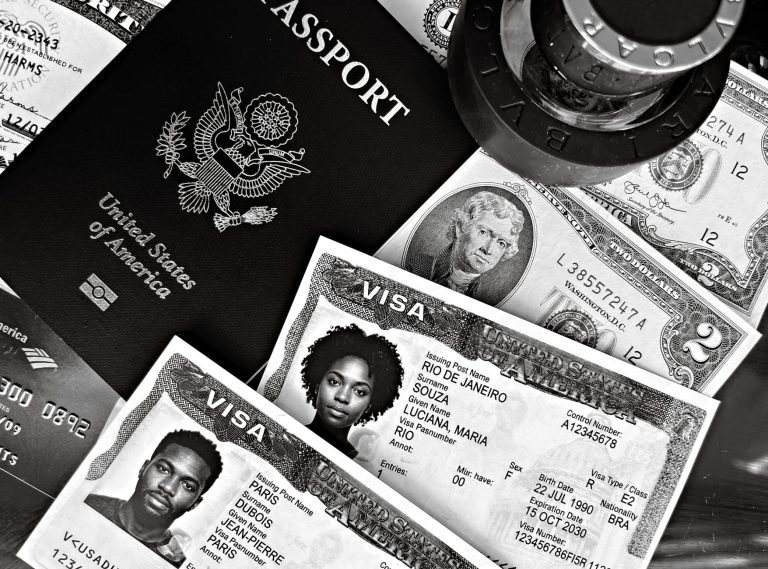
H-1B visa claims have sparked controversy as Microsoft pushes back on Vance’s allegations, defending its immigration practices and policies.
Overview of H-1B Visa Claims
The recent discourse surrounding H-1B visa claims has garnered significant attention, particularly following Microsoft’s response to allegations made by notable figures. Critics have raised concerns about the impact of H-1B visa programs on American workers, suggesting that these visas allow companies to hire foreign talent at the expense of local employment opportunities.
In a detailed statement, Microsoft addressed these claims by emphasizing its commitment to transparency and fairness in the hiring process. The company argued that the H-1B visa program is crucial for filling skill gaps in the tech industry, which often faces shortages of qualified candidates.
Furthermore, Microsoft highlighted its dedication to investing in American talent through various initiatives, including:
- Training programs for local workers
- Partnerships with educational institutions
- Support for diversity and inclusion in the workforce
This response aims to clarify misconceptions surrounding the use of H-1B visas and reinforce the company’s role in fostering a robust technology sector.
Microsoft’s Position on Immigration
Microsoft has recently addressed the ongoing H-1B visa claims made by politicians, including a notable statement from Senator J.D. Vance. The tech giant emphasizes its commitment to fair immigration practices, insisting that it values a diverse workforce and the contributions of skilled immigrants.
The company articulated its position by highlighting a few key points:
- Support for Skilled Immigration: Microsoft believes that H-1B visas play a crucial role in attracting top talent from around the world, which ultimately benefits the U.S. economy.
- Commitment to Transparency: The company has pledged to maintain transparency in its hiring practices, ensuring that it is not displacing American workers.
- Investment in American Workforce: Microsoft continues to invest in training and development programs aimed at upskilling U.S. employees.
In light of the H-1B visa claims, Microsoft’s response underscores the importance of immigration in fostering innovation and a competitive edge in the tech industry.
Understanding the H-1B Visa Process
The H-1B visa process is a critical pathway for skilled foreign workers seeking employment in the United States. This non-immigrant visa allows U.S. companies to employ foreign professionals in specialty occupations that require theoretical or technical expertise. Understanding the intricacies of the H-1B visa claims is essential for both employers and applicants.
Typically, the process begins with a U.S. employer filing a petition on behalf of the foreign worker. The employer must demonstrate the need for the specialized skills of the applicant and that they are unable to find qualified U.S. workers for the position. Key components of the H-1B application include:
- Labor Condition Application (LCA): An employer must file an LCA to ensure they will pay the prevailing wage.
- Petition for a Nonimmigrant Worker: This formal application is submitted to the U.S. Citizenship and Immigration Services (USCIS).
- Approval and Visa Issuance: Upon approval, the worker can apply for the H-1B visa at a U.S. consulate.
The complexities surrounding H-1B visa claims often lead to debates on immigration policy and labor market impacts.
Impact of Visa Policies on Tech Companies
The ongoing debate surrounding H-1B visa claims has significant implications for tech companies, particularly those reliant on global talent. As the demand for skilled workers in the technology sector continues to grow, restrictive visa policies can hinder innovation and competitiveness.
Many tech firms, including Microsoft, argue that a more flexible immigration policy is essential for attracting and retaining the best talent. The H-1B visa program, designed to facilitate the hiring of skilled foreign workers, plays a crucial role in filling gaps in the workforce that domestic talent may not cover.
However, critics of the program often raise concerns about potential abuse and the displacement of American workers. This has led to ongoing scrutiny and calls for reform in how the H-1B visa claims are processed and evaluated.
Ultimately, the impact of visa policies on tech companies is profound, influencing their ability to innovate, expand, and maintain a competitive edge in a rapidly evolving global market.
Vance’s Allegations Explained
In recent discussions surrounding H-1B visa claims, Senator J.D. Vance has put forth allegations suggesting that tech companies, including Microsoft, misuse the visa program to replace American workers with cheaper foreign labor. Vance argues that this practice undermines job opportunities for U.S. citizens and affects the overall economy.
Microsoft has firmly countered these claims, asserting that their hiring practices prioritize a diverse workforce and the need for specialized skills that are sometimes scarce in the domestic job market. In their response, the company emphasized their commitment to fostering talent and innovation in the tech industry.
Moreover, Microsoft highlighted the importance of the H-1B visa program in attracting highly skilled professionals who contribute significantly to technology advancements. The company maintains that their approach is not about displacing American workers but enhancing the workforce with global expertise.
As the debate over H-1B visa claims continues, both sides remain adamant in their stances, reflecting broader concerns about immigration and labor dynamics in the tech sector.
Future of H-1B Visas in the U.S.
The future of H-1B visas in the U.S. remains uncertain, especially in light of ongoing debates surrounding immigration policies and the tech industry’s reliance on foreign talent. As various stakeholders assess the implications of recent claims, including those made by figures like J.D. Vance, companies such as Microsoft are advocating for a balanced approach to immigration.
Industry experts predict that the demand for skilled workers will continue to grow, necessitating a stable H-1B visa program. However, the politicization of immigration could threaten the availability of these crucial visas.
Many within the tech sector argue that the H-1B visa system needs reform to address concerns about wage disparities and job displacement, while still allowing for the recruitment of highly skilled professionals.
- Increased scrutiny: The H-1B visa claims may lead to more stringent regulations.
- Long-term investments: Companies may need to invest in training domestic workers.
- Global competition: Maintaining an attractive visa program is vital for U.S. competitiveness.
As discussions unfold, the future of H-1B visas will undoubtedly play a critical role in shaping the landscape of the American workforce.
Photo by DΛVΞ GΛRCIΛ on Pexels
References
You might also like
KBS Resident Office: Is It the Best Place to Visit in Vietnam? · Flight tickets costlier: Air India and Akasa Air raise fees · Puri International Airport: A Smart Development for Travelers
About the Author