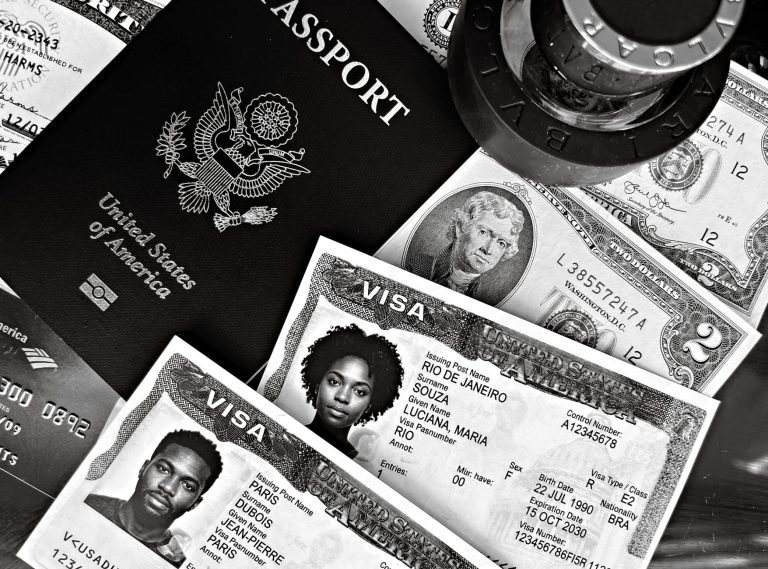
Labor immigration policies are finally being unveiled by Burke, promising a new approach to immigration that addresses current challenges.
Overview of Labor Immigration Policies
Labor immigration policies have become a focal point in recent discussions surrounding economic growth and workforce stability. As the nation grapples with labor shortages in various sectors, a strategic approach to immigration is essential for enhancing productivity and innovation.
In the upcoming announcement by Burke, a comprehensive plan is expected to outline the government’s vision for reforming labor immigration. The key objectives of these policies include:
- Streamlining visa processes: Simplifying the application process for skilled workers to ensure timely entry into the workforce.
- Addressing regional needs: Tailoring immigration policies to meet the specific demands of different areas, especially those facing acute labor shortages.
- Promoting integration: Supporting initiatives that help immigrants acclimate to the new environments, enhancing their contributions to the economy.
- Ensuring compliance: Strengthening regulations to prevent exploitation and ensure that labor standards are upheld.
This clear plan for change reflects a commitment to harnessing the potential of labor immigration policies to not only fill gaps in the workforce but also to drive economic prosperity. By effectively managing immigration, the government aims to create a more resilient labor market that benefits both employers and employees alike.
Key Changes in Immigration Strategy
As the government prepares to unveil its updated approach, several key changes in labor immigration policies are set to reshape the landscape for foreign workers. These adjustments aim to address current labor shortages and enhance economic growth by streamlining the immigration process.
- Increased Visa Availability: The new immigration strategy proposes an increase in the number of work visas available. This is designed to attract skilled labor in high-demand industries such as technology, healthcare, and construction.
- Fast-Track Processing: To expedite the arrival of essential workers, the government will implement a fast-track processing system for critical occupations. This will reduce wait times and help employers fill vacancies more efficiently.
- Regional Focus: The plan includes a regional approach, where specific immigration quotas will be tailored to address labor needs in various areas. This will allow for targeted support in regions facing acute shortages.
- Strengthening Worker Protections: The new policies will also introduce measures to enhance protections for immigrant workers, ensuring fair wages and safe working conditions, thereby fostering a more equitable labor market.
These proposed changes reflect a commitment to reform labor immigration policies, aiming to balance the needs of the economy with the rights and well-being of workers.
Labor Immigration Policies: What to Expect
As Labor’s immigration policies take center stage, stakeholders and the public alike are eager to understand what changes lie ahead. The unveiling of these policies by Burke promises to redefine the landscape of labor immigration in the country. Here’s what to expect:
- Streamlined Processes: Anticipate a more efficient application process for skilled workers. The focus will be on reducing wait times and simplifying documentation requirements.
- Increased Focus on Skills: Labor immigration policies will place a premium on skills that align with the current job market needs, ensuring that industries can fill critical vacancies with qualified individuals.
- Community Integration Programs: There will be initiatives aimed at helping immigrants integrate into local communities, promoting social cohesion and mutual understanding.
- Adjustments to Quotas: Expect potential adjustments in immigration quotas based on labor market assessments, allowing for a more responsive approach to workforce demands.
- Support for Regional Development: Policies may include incentives for immigrants to settle in regional areas where labor shortages are most acute, fostering economic growth beyond urban centers.
With these anticipated changes, Labor’s immigration policies are set to create a more adaptive and skilled workforce, addressing the evolving needs of the economy while promoting inclusivity and integration.
Public Reception and Reactions
The recent unveiling of Labor immigration policies has sparked a diverse array of public reactions. Many citizens express a sense of optimism regarding the proposed changes, highlighting the potential for economic growth and increased workforce diversity. Supporters argue that the new policies will enhance the country’s ability to attract skilled workers, ultimately benefiting various sectors.
Conversely, some individuals remain skeptical about the implementation of these labor immigration policies. Critics voice concerns over job competition and the potential impact on local employment rates. They worry that an influx of foreign workers could undermine wages or make it more challenging for domestic job seekers to find stable employment.
Community organizations and advocacy groups have also weighed in on the discussion. Some have praised the government’s commitment to creating a more inclusive immigration framework, which they believe can lead to improved integration of immigrants into society. Others argue that further measures are needed to ensure that the needs of both immigrants and citizens are addressed adequately.
In light of these mixed reactions, it is clear that the public’s engagement with labor immigration policies will play a critical role in shaping their success. Ongoing dialogue among stakeholders will be essential to navigate the complexities of this multifaceted issue and to reach a consensus that balances economic needs with social considerations.
Photo by Selvin Esteban on Pexels
Where this came from
Noida Airport: Is It the Best Potato Export Hub in India? · Guangzhou New Delhi flights: Quick Resumption Ahead of Meeting · Guangzhou-New Delhi flights: Easy travel ahead of Xi’s visit
About the Author